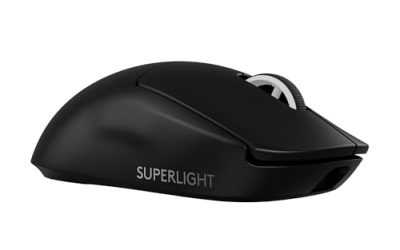
A gamer dealing with wrist discomfort faces a real trade-off. A light competitive mouse gives you a fast sensor and instant clicks, yet its flat shape keeps your forearm twisted for hours. A vertical mouse turns your hand into a handshake position, yet most vertical models were built for office work and give up the sensor speed and extra buttons games reward. The choice is which compromise you can live with: a gentler wrist angle with a slower sensor, or a faster sensor with a flatter grip.
This guide is for gamers who play long sessions after work, for office workers who game on the same desk they work at, and for anyone whose wrist feels tired before the match ends. Every mouse below was chosen from the name and specifications shown on its Amazon listing, with the tilt angle, sensor range, button count, connection type, and battery details taken from that listing. No mouse here is presented as a treatment for any wrist condition.
Top 3 picks at a glance

Quick Picks
As an Amazon Associate we earn from qualifying purchases.
| Product | Best for | Key spec from title |
|---|---|---|
| Logitech MX Vertical | Larger hands and long sessions | 57-degree angle, 4000 DPI sensor |
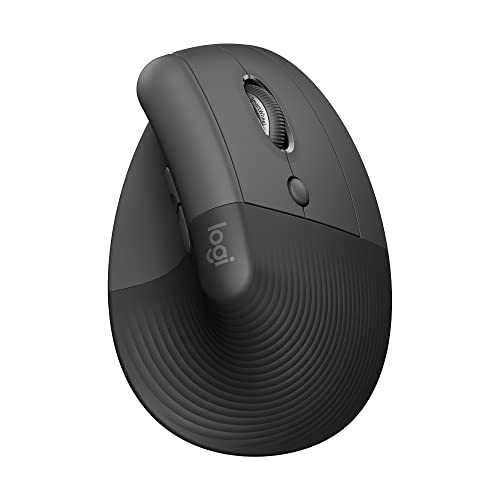
| Logitech Lift Vertical | Smaller hands and quiet clicks | 57-degree angle, quiet clicks, 4 buttons |
| Razer Pro Click V2 Vertical | Gaming features in a vertical shape | 71.7-degree angle, Focus Pro 30K sensor |
| Anker 2.4G Wireless Vertical | Trying the vertical shape on a budget | 800, 1200, and 1600 DPI, 5 buttons |
How to Choose
Match the angle and your hand size
The tilt angle decides how your wrist sits, and hand size decides whether that angle feels natural or awkward. A 57-degree body, like the two Logitech models here, keeps the hand upright without going fully vertical. The Razer model tilts further to 71.7 degrees, a steeper handshake position that some hands love and others find tiring. Size matters just as much: the MX Vertical is listed for medium to large right hands, while the Lift is shaped for small to medium right hands. Check the size guidance on the listing before you buy: a mouse that is too large forces your fingers to stretch, and one that is too small makes you grip harder than you should.
Read the sensor like a gamer
Vertical mice rarely match dedicated gaming mice on sensor speed, so read the sensor figures with gaming in mind rather than office work. A 4000 DPI ceiling covers desktop work, strategy games, and slower shooters without trouble, and a cursor speed switch lets you drop sensitivity for precise aiming. The Razer model is the outlier here with its Focus Pro 30K sensor, which brings genuine gaming-grade tracking into a vertical body. Even so, none of these listings publish a polling rate, so do not assume competitive-level responsiveness. If you mainly play fast shooters, treat a vertical mouse as a comfort choice for most of your play and keep a standard gaming mouse for ranked matches.
Count the buttons and the software
Button count shapes what you can do without reaching for the keyboard. Four buttons cover left, right, back, and forward, which is enough for browsing and many games. Six or more buttons open up thumb shortcuts for abilities, push-to-talk, or weapon switching, and the Razer model lists up to nine programmable controls through its software. Software matters too: Logitech models use Logi Options+, while Razer uses Synapse, and both let you remap buttons and adjust sensitivity. Check whether the software runs on your operating system, because a programmable mouse loses much of its value on a system its software does not support.
Weigh wireless, battery, and weight
Wireless freedom is only useful if the connection and the battery fit your desk. Bluetooth connects to laptops and tablets without a dongle, while a 2.4 GHz receiver usually gives a steadier link for gaming and works on desktops that lack Bluetooth. Battery design splits the other way: the MX Vertical and the Razer model recharge over USB-C, the Lift runs on a single AA battery for up to 24 months, and the Anker runs on two AAA batteries that are not included. Rechargeable models need charging time, while battery models keep going as long as you have spares. Weight matters too: a heavier body feels planted, while a lighter one is easier to lift and reposition.
The 4 Best Options
Logitech MX Vertical

The MX Vertical is the most established vertical mouse in this guide: a 57-degree angle, a thumb rest, and a textured rubber surface that fills a medium to large right hand. Its 4000 DPI sensor and cursor speed switch give it enough range for strategy games, role-playing games, and desktop work, and it switches between three computers over Bluetooth or its USB receiver. The rechargeable battery is listed for up to four months on a full charge, with a one-minute quick charge giving three hours of use. It suits a gamer who works and plays at the same desk and wants one comfortable mouse for both.
Specs
- 57-degree vertical angle with a natural handshake position
- 4000 DPI high-precision sensor with cursor speed switch
- 4 customizable buttons
- Bluetooth, USB receiver, and USB-C charging cable
- Rechargeable battery, up to four months on a full charge
- Fits medium to large right hands, with a textured rubber surface and thumb rest
- Switches between up to 3 computers
Best for: Gamers with medium to large hands who want one vertical mouse for work and play.
Watch out for: The tall body can feel bulky for small hands, and the shape takes a few days to feel natural if you are coming from a flat gaming mouse.
Logitech Lift Vertical
The Lift takes the same 57-degree idea and shrinks it for small to medium right hands. Its listing highlights quiet clicks and a SmartWheel, both aimed at shared rooms and late-night sessions where click noise carries. It connects over Bluetooth Low Energy or the included Logi Bolt USB receiver, switches between three devices, and runs on a single AA battery listed for up to 24 months. The sensor range runs from 400 to 4000 DPI, which covers everyday gaming and desktop work. A left-handed version also exists, so left-handed buyers should check the listing variant carefully before ordering.
Specs
- 57-degree vertical angle for a handshake position
- Sized for small to medium right hands, with a thumb rest
- Quiet clicks and a SmartWheel scroll wheel
- 400 to 4000 DPI sensor range
- Bluetooth Low Energy or Logi Bolt USB receiver
- Switches between up to 3 devices
- One AA battery, up to 24 months of battery life
Best for: Smaller hands, quiet rooms, and shared desks where click noise matters.
Watch out for: Large hands will find the body too small, and the quieter clicks feel softer than the crisp switches on a gaming mouse.
Razer Pro Click V2 Vertical
The Razer Pro Click V2 Vertical is the only mouse here built with gaming in mind from the start. It tilts to 71.7 degrees, steeper than either Logitech model, and pairs that angle with a Focus Pro 30K optical sensor that tracks even on glass. The base support under the wrist is a detail the other picks lack: it lifts the wrist clear of the desk so it does not drag while you move. Battery life is listed at up to six months, and the mouse connects to five devices across HyperSpeed Wireless, Bluetooth, and USB-C wired mode.
Specs
- 71.7-degree vertical angle with a base support that elevates the wrist
- Focus Pro 30K optical sensor with tracking on glass
- 6-button ergonomic design, up to 9 programmable controls via Razer Synapse
- HyperSpeed Wireless 2.4 GHz, Bluetooth for 3 hosts, and USB-C wired mode
- Connects to up to 5 devices
- Up to 6 months of battery life, with fast charging over USB-C
- 18-zone Chroma RGB lighting with full underglow
- Mechanical switches rated for a 60 million click lifecycle
Best for: Gamers who want a real gaming sensor and programmable buttons in a vertical body.
Watch out for: The 71.7-degree tilt is the steepest here, so it needs a longer adjustment period, and the full feature set depends on Razer Synapse software.
Anker 2.4G Wireless Vertical

The Anker is the low-commitment way to find out whether a vertical mouse suits you at all. Its listing is simple: a handshake grip, three DPI steps at 800, 1200, and 1600, five buttons including next and previous, and a 2.4 GHz USB receiver stored in the base of the mouse. The sensor ceiling is the lowest in this guide, so it fits slower-paced games, browsing, and office work better than fast shooters. Its job is to answer one question: does the upright shape feel better over a full week of use.
Specs
- Vertical handshake grip, right-handed design
- 800, 1200, and 1600 DPI optical tracking
- 5 buttons, including next and previous
- 2.4 GHz wireless via USB receiver stored in the mouse base
- 2 AAA batteries required, not included
- Power saving mode after 8 minutes of inactivity
- Product dimensions 120 x 62.8 x 74.8 mm, product weight 3.4 oz
- 18-month hassle-free warranty
Best for: First-time vertical mouse buyers who want to try the shape before spending more.
Watch out for: No Bluetooth, no rechargeable battery, and the 1600 DPI ceiling is low for large monitors and fast-paced games.
Which One Fits Your Situation
You have larger hands and play after work
Choose the Logitech MX Vertical. Its body is listed for medium to large right hands, the thumb rest and textured surface fill the palm, and the rechargeable battery lasts for months between charges. The 4000 DPI sensor and cursor speed switch handle strategy and role-playing games well, and switching between three computers means the same mouse covers your work machine and your gaming machine without re-pairing.
You have smaller hands or share a quiet room
Choose the Logitech Lift Vertical. It keeps the same 57-degree angle in a smaller body shaped for small to medium right hands, and its quiet clicks and SmartWheel keep late sessions from carrying across the room. The single AA battery is listed for up to 24 months, so it is the easiest of the four to live with once it is set up.
You want gaming features without giving up the vertical grip
Choose the Razer Pro Click V2 Vertical. It is the only pick here with a gaming-grade sensor, programmable controls, and multi-device wireless built for a gaming desk, and its wrist base support is a genuine comfort detail rather than decoration. Give yourself a week to adjust to the steeper 71.7-degree tilt before judging it, since the angle is the biggest change from a flat mouse.
You want to try the vertical shape with the least commitment
Choose the Anker 2.4G Wireless Vertical. It delivers the core handshake grip, a DPI switch, and five buttons with no software to install and no pairing step, so you can judge the shape itself within a few days. If the upright position feels better, you can move up to the Logitech or Razer models later with a clear idea of the hand size and features you need.
Common Mistakes
- Buying a vertical mouse without checking the hand-size guidance on the listing, then finding the body too large or too small for a relaxed grip.
- Treating any mouse as a treatment for wrist symptoms instead of seeing a clinician, taking breaks, and fixing desk height and posture as well.
- Choosing by DPI alone and ignoring the tilt angle, the thumb rest, and the button layout that decide comfort over a long session.
- Ordering the wrong hand orientation, since most vertical mice are right-handed only and left-handed buyers need a specific variant.
- Assuming every vertical mouse has Bluetooth, a rechargeable battery, and gaming software, when some use only a 2.4 GHz dongle and disposable batteries.
Frequently Asked Questions
Can a gaming mouse help with carpal tunnel?
No mouse can treat carpal tunnel syndrome, and none of the mice in this guide is presented as a treatment. A vertical mouse changes the angle of your wrist and forearm while you play, which some people find more comfortable during long sessions. If you have numbness, tingling, or pain that keeps returning, see a clinician for advice rather than relying on a peripheral.
Are vertical mice good for gaming?
Vertical mice suit slower-paced games, strategy titles, and role-playing games, where comfort over long sessions matters more than split-second flicks. For fast competitive shooters, most players still prefer a light flat gaming mouse with a high polling rate. The Razer model in this guide closes the gap with its gaming sensor, yet its tall shape still needs practice before it feels quick.
What DPI should I look for in a vertical gaming mouse?
A range up to 4000 DPI covers most gaming and desktop work on a standard monitor, and a DPI switch on the mouse lets you change sensitivity without opening software. The Razer model goes far higher, which suits large or ultrawide monitors. Very high DPI alone does not make a mouse better for gaming; the sensor quality, the shape, and your grip matter just as much.
How long does it take to get used to a vertical mouse?
Most people need several days of regular use before a vertical mouse feels natural, and a full week is a fair trial. Aim will feel slower at first, and your thumb and forearm use slightly different muscles than with a flat mouse. Give it that week before deciding, and keep your old mouse nearby for competitive matches during the adjustment period.
Related guides
More from Amazon
Programs that pair well with the guide above. Offers and eligibility are set by Amazon and may change.
Free shipping on eligible items, Prime Video and more. Eligible new members can start with a free trial.
Start a Prime free trialAd-free music streaming. Eligible new subscribers can start with a free trial.
Try Music Unlimited freeA Prime membership for ages 18-24 with a trial period. Eligibility is set by Amazon.
See Prime for Young AdultsAudiobooks and podcasts to listen to on the go. Eligible new members can start with a free trial.
Try Audible freeAs an Amazon Associate we earn from qualifying purchases.