When designing a modern home office or a dedicated gaming corner, we often agonize over the ergonomics of the chair, the grain of the oak desk, and the ambient warmth of the lighting. Yet, one of the most critical elements of a peaceful, safe, and efficient home environment sits tucked away inside a metal chassis under your desk: the power supply unit (PSU). As PCs become central to our home entertainment, remote work, and creative hobbies, how they draw electricity from our residential walls matters immensely.
Currently, anyone upgrading or building a home PC faces a technical fork in the road: the debate between the ATX 3.0 vs ATX 3.1 power supply standards. Introduced by Intel, these standards dictate how power supplies handle the massive, momentary power spikes (excursions) demanded by modern graphics cards. While ATX 3.0 was designed to accommodate the initial wave of high-power hardware, ATX 3.1 refines this delivery to address a critical home concern: physical safety and connector reliability. Choosing between them isn’t just about frame rates; it is about protecting your home's electrical circuits, minimizing ambient fan noise in your living space, and ensuring your hardware investment lasts for years to come.
As an Amazon Associate we earn from qualifying purchases at no extra cost to you.


Our Top Picks
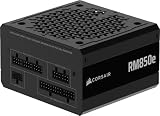
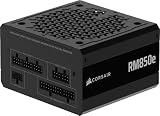
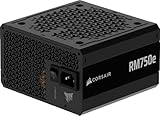
 CORSAIR RM750e ATX 3.1 PCIe 5.1 Ready 750W750 watts5.91 x 5.51 x 3.35 inches3.3 poundsCheck on Amazon

Top 3 picks at a glance
Quick Verdict
For the vast majority of homeowners and builders, ATX 3.1 is the clear winner. While ATX 3.0 units are still highly capable, the ATX 3.1 standard introduces the revised 12V-2×6 power connector, which directly replaces the failure-prone 12VHPWR connector of ATX 3.0. By shortening the sideband sense pins, ATX 3.1 ensures that if a cable is not fully seated, the power supply simply will not deliver high wattage, virtually eliminating the risk of overheating or melting at the connector interface. For peace of mind in a residential setting, paying a small premium for ATX 3.1 is an easy choice.
Side by Side
To understand how these standards impact your home environment, let us look at how they compare across key domestic and performance metrics.
| Feature/Metric | ATX 3.0 Standard | ATX 3.1 Standard |
|---|---|---|
| Acoustic Comfort (Noise) | Variable; fan profiles can be aggressive during sudden transient power spikes. | Generally quieter; refined load-handling allows for smarter, zero-RPM fan curves under light usage. |
| Connector Durability & Safety | Uses 12VHPWR connector. Risk of thermal damage if the cable is slightly bent or unseated. | Uses upgraded 12V-2×6 connector. Shorter sense pins prevent power delivery if the connection is insecure. |
| Price Range | ||
| Maintenance & Management | Requires meticulous cable-routing and checking to ensure no bends occur near the connector plug. | More forgiving cable angles; less frequent physical inspections required inside the chassis. |
| Space Needed (Dimensions) | Standard ATX depths (typically 140mm to 160mm); requires extra clearance for stiff cable bends. | Standard ATX depths; improved connector design allows slightly tighter cable routing in compact cases. |
| Aesthetic Look | Thicker, single-cable solutions for GPUs, though older adapter bundles can look cluttered. | Cleaner, streamlined single-cable setups; less visual clutter through tempered glass panels. |
| Resale & Future-Proofing | Moderate; still compatible with current hardware but outdated for upcoming generations. | Excellent; fully compatible with current and next-generation high-draw graphics cards. |
| Best For | Budget-conscious builders using mid-range graphics cards with traditional 8-pin connectors. | Premium home offices, high-end family gaming rigs, and quiet living room media centers. |
Where Atx 3.0 Wins
The primary advantage of the older ATX 3.0 standard today is cost. Because manufacturers are actively transitioning their production lines to the newer standard, ATX 3.0 power supplies can often be found on deep clearance or promotional sales. If you are constructing a budget-friendly home computer, a guest room PC, or a simple media server that does not utilize a high-end, power-hungry graphics card, an ATX 3.0 power supply is more than sufficient.
Furthermore, ATX 3.0 units still feature excellent electrical efficiency and transient response times compared to the ancient ATX 2.0 standards. If your graphics card uses traditional 8-pin PCIe power connectors rather than the modern 12+4 pin configuration, the safety revisions of ATX 3.1 are practically inert for your build. In these scenarios, opting for a discounted ATX 3.0 unit allows you to reallocate your home improvement budget toward quieter case fans or a faster storage drive.
Where Atx 3.1 Power Supply Standards Wins
ATX 3.1 is a direct response to real-world user experiences. When ATX 3.0 introduced the 12VHPWR connector to supply up to 600 watts of power over a single, slim cable, some users experienced melting connectors. This occurred when cables were bent too sharply near the plug or not pushed entirely into the graphics card socket. In a residential home, any electrical component that poses a thermal risk is a major concern.
The ATX 3.1 standard solves this by implementing the 12V-2×6 connector design. The physical pins that carry the electrical current have been lengthened slightly, while the four tiny signal pins (which communicate how much power the GPU can safely draw) have been shortened. This mechanical shift means that if the cable is not pushed in all the way, the signal pins will not make contact, and the power supply will refuse to send high wattages through the line. This simple, elegant piece of physical engineering provides immense peace of mind.
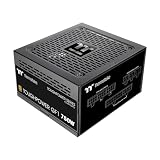
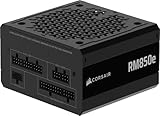
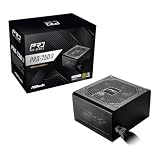
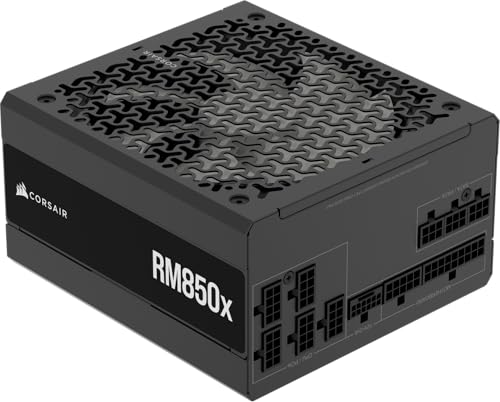
Modern options reflect this focus on safety and integration. For instance, the Thermaltake Toughpower GT 750W ATX 3.1 Standard Power Supply offers a robust entry point for family PCs, combining 80 Plus Gold efficiency with a Smart Zero Fan to keep the home office silent under light workloads. For those building mid-tier systems, the CORSAIR RM750e ATX 3.1 PCIe 5.1 Ready 750W Power Supply – Black provides fully modular cabling, ensuring you only install the wires you need, which keeps the inside of your PC tidy and maximizes airflow. Meanwhile, the CORSAIR RM850x ATX 3.1 PCIe 5.1 Ready Fully Modular 850W Power Supply represents the premium tier, offering Cybenetics Gold certified ultra-low-noise operation and a native 12V-2×6 connector, making it ideal for high-performance home setups where silence is prioritized.
Cost Over 5 Years
When assessing home infrastructure, looking at the total cost of ownership over five years is essential. A power supply is one of the few PC components that can easily survive multiple upgrade cycles.
However, if you plan to upgrade your graphics card in 2026 or later, you may find that newer GPUs demand the stricter safety tolerances and physical connector standards native to ATX 3.1. Upgrading your power supply prematurely because of compatibility or safety concerns turns a cheap ATX 3.0 purchase into an expensive double-buy.
Additionally, ATX 3.1 power supplies often feature slightly better low-load efficiency guidelines. When your PC is idling—such as when you are typing a document, browsing the web, or streaming music in your living room—an ATX 3.1 unit manages power draw with minimal waste. Over five years of daily residential use, the energy savings combined with the eliminated risk of cable damage easily offset the minor upfront price difference of an ATX 3.1 unit.
Which One for Your Home
Every household has unique space constraints, acoustic tolerances, and safety priorities. Here is how to choose the right standard based on your specific living situation.
Small Apartment
In a compact studio or small apartment, your PC is often close to your sleeping or living area. Space inside your desk setup is at a premium, and noise pollution from spinning fans can quickly become irritating. For these environments, an ATX 3.1 power supply is ideal. Because ATX 3.1 handles transient power spikes more gracefully, the internal fan does not need to ramp up aggressively to cool the unit during sudden bursts of activity. The cleaner, single-cable 12V-2×6 setup also means you can use a smaller PC chassis, leaving more precious desk space for your daily life.
Family with Kids and Pets
If you have curious toddlers or pets that shed dander, safety and durability are paramount. A PC sitting on or under a desk can easily be bumped, and loose pet hair can find its way into the chassis. The ATX 3.1 standard is highly recommended here. If a child accidentally tugs on a cable or a pet bumps the computer case, loosening the internal GPU power connection slightly, the ATX 3.1 safety mechanism activates, restricting power and preventing a thermal event. It is a vital layer of electrical protection for a busy household.
Rental Home
Rental properties, especially older apartments or houses, often suffer from outdated electrical wiring. You might notice your lights flicker slightly when the refrigerator kicks on. ATX 3.1 power supplies feature slightly adjusted hold-up times and electrical tolerances designed to handle minor voltage fluctuations from your wall outlets more reliably. This extra buffer protects your expensive computer components from dirty residential power, saving you from potential hardware failures and lease-end headaches.
Long-Term Home
If you own your home and are building a permanent, high-end office or media center, you want components that will stand the test of time. Investing in a premium ATX 3.1 unit ensures that your system remains fully compatible with future hardware releases well into 2026 and beyond. You will not have to worry about replacing your power supply when the next generation of high-performance graphics cards arrives, keeping your home workspace modern, quiet, and safe for years.
FAQ
Can I use an ATX 3.0 cable with an ATX 3.1 power supply?
It is highly discouraged. While the physical pins of the ATX 3.0 12VHPWR and ATX 3.1 12V-2×6 connectors look similar, the internal pin depths and safety ratings are different. Always use the specific cables provided by your PSU manufacturer to maintain safety standards.
Is ATX 3.1 backward compatible with older motherboards?
Yes. ATX 3.1 power supplies still feature the standard 24-pin motherboard connector, 8-pin CPU connectors, and traditional SATA power cables. They are fully backward compatible with older motherboards and legacy hardware.
Does ATX 3.1 run quieter than ATX 3.0?
While noise depends largely on the specific fan design of the manufacturer, ATX 3.1 units tend to have better fan control algorithms. Because they manage transient spikes more efficiently, many models can stay in silent, zero-RPM modes for longer periods during normal home use.
Do I need to replace my ATX 3.0 power supply if it is working fine?
No. If you currently own an ATX 3.0 power supply and have verified that your GPU power cable is fully seated, flush, and not bent at an extreme angle, there is no immediate need to replace it. The upgrade is most beneficial when buying new parts or building a system from scratch.