Building or updating a desktop system for a living room media center, home office, or dedicated gaming corner involves more than selecting high-end processors or stylish computer desks. The hidden engine driving your entire setup is the power supply unit (PSU). Beyond converting alternating current from your wall outlet into direct current for your computer, the PSU directly impacts your home energy bill, room temperature, acoustic environment, and cable management.
When evaluating options, buyers frequently face a core decision: comparing the 80 plus gold vs platinum power supply efficiency rating. While both tiers offer modern safety features and high efficiency, deciding between an 80 Plus Gold unit and an 80 Plus Platinum unit comes down to upfront purchase price, daily usage patterns, heat discharge in personal spaces, and long-term utility costs.
As an Amazon Associate we earn from qualifying purchases at no extra cost to you.


Our Top Picks


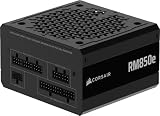
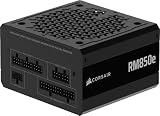
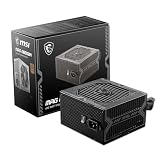
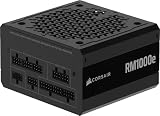
Top 3 picks at a glance
Quick Verdict
For most residential setups operating 4 to 8 hours a day, an 80 Plus Gold power supply represents the ideal balance of upfront affordability and energy conservation. Modern Gold units deliver 87% to 90% efficiency at typical operating loads, keeping initial costs down while providing steady, clean power for desk setups.
An 80 Plus Platinum power supply is the superior choice for high-wattage systems, home servers, or work-from-home workstations that run continuously or under heavy stress for 10 or more hours daily. Delivering 89% to 92% efficiency, Platinum units generate less waste heat, enable near-silent fan profiles in small living spaces, and offset their higher purchase price over years of constant use.
Side by Side
| Feature Category | 80 Plus Gold Rating | 80 Plus Platinum Rating |
|---|---|---|
| Efficiency at 50% Load (115V) | 90% Efficiency | 92% Efficiency |
| Typical Price Range | Varies | Varies |
| Acoustics & Fan Noise | Quiet under normal household loads | Near-silent; longer fan-stop periods |
| Heat Dispersal to Room | Moderate ambient heat under load | Minimal waste heat output |
| Compactness & Fit | 140mm – 150mm compact options common | 150mm – 180mm standard/enthusiast size |
| Durability & Component Grade | High-grade Japanese caps standard | Top-tier components (e.g., GaN MOSFETs) |
| Resale & Long-Term Value | Strong mid-market resale retention | High enthusiast appeal for multi-year setups |
| Best For | General home usage, standard gaming, budget builds | 24/7 home servers, 1000W+ rigs, quiet rooms |
Where 80 Plus Gold Wins
The primary advantage of selecting an 80 Plus Gold unit is upfront cost efficiency. The price ceiling for Gold-rated power supplies has dropped significantly over recent years, making them accessible for almost any home budget.
Another major benefit of Gold power supplies in home spaces is physical versatility. Gold units frequently feature compact depth footprints around 140mm long and weights under 4 pounds. This smaller size makes them easy to slide into minimal desk enclosures, small form factor home theater cases, or tight apartment workstation cabinets where cable routing space is limited.
For standard daily tasks like web browsing, document editing, streaming, and evening gaming sessions, the 90% peak efficiency offered by Gold models is more than adequate. The 2% to 3% efficiency difference between Gold and Platinum results in only a tiny variation in monthly electric bills for part-time computer users, making the Gold rating the most practical financial option for typical households.
Where Platinum Power Supply Efficiency Rating Wins
When assessing the 80 plus gold vs platinum power supply efficiency rating for high-end systems, Platinum models excel in energy transformation and thermal control. An 80 Plus Platinum certified unit operates at 92% efficiency at 50% load and 89% efficiency under full 100% load. This efficiency directly impacts how much wall power is converted into excess heat.
In a tight bedroom office or a closed den, heat dissipation matters. A system pulling 700 watts from a lower-rated power supply converts roughly 70 to 100 watts of electrical energy directly into waste heat, acting like a miniature space heater. An 80 Plus Platinum unit reduces this waste energy significantly.
Lower heat output also brings a major reduction in ambient noise. Platinum power supplies do not need aggressive fan speeds to stay cool. Many top-tier Platinum models, such as the be quiet! For open-concept living rooms or quiet home offices, this acoustic benefit can be a noticeable quality-of-life upgrade.
Cost Over 5 Years
Understanding the long-term monetary savings of the 80 plus gold vs platinum power supply efficiency rating requires looking at actual electricity consumption in a residential setting. Assuming the average U.S.
Consider a workstation drawing an average system load of 500 watts operated for 8 hours a day, 365 days a year:
In this case, the Platinum power supply does not completely pay off its price premium through power savings alone.
However, for a heavy-duty continuous setup (such as a home server, rendering node, or machine learning station) running a 500-watt load 24 hours a day:
For heavy continuous power demands, high-wattage Platinum units close the price gap quickly while providing quieter operation and reduced room heating over their lifespan.
Which One for Your Home
Small Apartment
In a studio or small apartment where your desk sits near your sleeping area, thermal output and acoustics are top priorities. A Platinum unit keeps ambient room heat down during long sessions and runs quietly enough not to disturb living spaces. However, if space inside a compact desk setup is extremely limited, compact Gold models measuring under 140mm in depth offer an easier fit for small enclosures.
Family with Kids/Pets
Busy family homes need durability, safety, and hassle-free operation. Dust accumulation from carpeted floors and pets can increase internal thermal stress on electrical components. Opting for a Gold unit with a 10-year manufacturer warranty offers a smart blend of long-term reliability and low initial investment, leaving room in your budget for child-safe cable management trays and sturdy desk mounts.
Rental Property
Renters who move frequently benefit from lightweight, standardized components that are easy to pack and install anywhere. A modular Gold power supply between 750W and 850W fits standard electrical outlets and desk designs effortlessly. It provides high efficiency without tying up extra cash in high-end power equipment during moves.
Long-Term Home
As home office demands evolve into 2026, dedicated workstations and home servers are becoming permanent fixtures in modern houses. If you own your space and plan to run high-draw equipment for many years, investing in a high-capacity Platinum unit (1000W to 1200W) offers maximum power efficiency, low noise levels, and rock-solid power delivery for future component upgrades.
FAQ
What is the main efficiency difference in an 80 plus gold vs platinum power supply efficiency rating?
The primary difference is energy efficiency under load. At 50% system load on standard 115V power, an 80 Plus Gold rating requires at least 90% efficiency, while an 80 Plus Platinum rating requires at least 92% efficiency. This means Platinum power supplies waste less energy as ambient heat.
Does an 80 Plus Platinum power supply lower room temperature?
Yes, to a noticeable degree under heavy hardware loads. Because a Platinum unit converts electricity into usable computer power more efficiently, it produces roughly 20% to 30% less waste heat than lower-rated units. This helps prevent small office spaces from overheating during long computer sessions.
Is an 80 Plus Platinum power supply worth the extra money?
A Platinum power supply is worth the premium if you run a workstation or server for more than 10 hours a day, build a high-wattage system over 1000 watts, or need ultra-quiet operation in a living area. For standard gaming or daily office tasks, an 80 Plus Gold unit offers better overall value.
Do higher efficiency power supplies reduce fan noise?
Yes. Higher efficiency means internal components generate less heat during power conversion. Because there is less heat to dissipate, the power supply fan can spin at lower speeds or turn off completely during light-to-moderate household use, delivering a quieter room environment.