For Crypt of the NecroDancer, buy the least expensive current graphics option that suits the rest of your library: integrated graphics or an entry card is plenty at 1080p, a mainstream card is the sensible choice at 1440p, and a high-end card only makes sense if the same PC also runs demanding modern games. The game is a 2D rhythm roguelike released in 2015, and its published hardware needs are among the lowest on Steam, so the graphics card is the least important part of this decision.
What the game asks of a graphics card
Listings for the game show a 512 MB video memory requirement and a DirectX 9.0c class card, together with a processor around 2 GHz and modest system memory. Steam-based figures date from the 2015 launch, while the community-run PCGamingWiki reports newer 64-bit build figures of 4 GB minimum and 8 GB recommended system memory with the same 512 MB video memory and 1600 MB of storage. Whichever source you trust, the graphics requirement is satisfied by the smallest GPU of the current generation. No maker or reviewer publishes frame-rate tables for this title, so none are invented here.
The store page lists Windows, macOS and Linux versions, keyboard, controller and dance pad support, a level editor and Steam Workshop. It lists no DLSS, FSR or XeSS option, and a 2D game of this kind has little use for upscaling, so those features are not a reason to prefer one brand over another.
At a glance: GPU classes for this game
| Tier | Example current models | Memory the maker lists | Best for | Limits |
|---|---|---|---|---|
| Integrated | Radeon graphics in Ryzen processors, Intel integrated graphics | Shared system memory | A small, quiet PC for this and similar indie games | Weak for newer 3D titles |
| Entry | GeForce RTX 5050, Intel Arc B570 | Arc B570 lists 10 GB | 1080p play plus light modern gaming | Little headroom for 1440p in new releases |
| Mainstream | GeForce RTX 5060, Radeon RX 9060 XT, Arc B580 | RTX 5060 8 GB, RX 9060 XT 8 or 16 GB, Arc B580 12 GB | 1080p and 1440p across many games | 8 GB versions can limit the newest texture-heavy games |
| Upper mid-range | GeForce RTX 5070, Radeon RX 9070 | RTX 5070 12 GB, RX 9070 16 GB | 1440p high settings, entry 4K | Unneeded for this game alone |
| Enthusiast | GeForce RTX 5070 Ti, RTX 5080, RTX 5090, Radeon RX 9070 XT | 16 GB to 32 GB | 4K, creative and AI workloads | Cost, power draw and size |
Picking by resolution
1080p
Every tier above is more than adequate. This is the resolution where integrated graphics can honestly be the final answer, because a 2D game scales gracefully. If you already own a decent monitor, spend on the audio chain and display response instead.
1440p
Resolution increases the pixel count but not the complexity of a 2D scene, so the same entry-level hardware still copes. The reason to choose a mainstream card at 1440p is the rest of your game library rather than this title. An RTX 5060, RX 9060 XT or Arc B580 gives comfortable room for other releases.
4K
A 4K display is also within reach of modest hardware for a game like this, though desktop compositing and any other applications you run benefit from a stronger card. A step up to the RTX 5070 or RX 9070 class matters only if you play other titles at that resolution.
Brand notes: GeForce, Radeon and Arc
GeForce and Radeon cards both offer long driver support for older DirectX versions, which suits a game rooted in the DirectX 9 era. Intel’s Arc B-series is a newer entrant; reviewers have noted that older DirectX 9 titles lean on driver translation, so players who mainly want older games sometimes prefer the established vendors. This is a reason to read recent driver notes rather than a blanket warning, and the game’s low demands mean even imperfect translation has little to chew on.
On the NVIDIA side, the RTX 50-series includes the RTX 5050, 5060, 5060 Ti, 5070, 5070 Ti, 5080 and 5090. AMD’s Radeon RX 9000 series includes the RX 9060 XT and RX 9070 and 9070 XT. Intel’s B570 and B580 round out the entry range. Previous-generation cards such as RTX 40-series and Radeon RX 7000-series models are no longer the maker’s newest, but they still exceed this game’s needs by a wide margin.
Pick X if: decision table
| Pick | Choose it if | Do not choose it if |
|---|---|---|
| Integrated graphics | The PC is for rhythm games, indies and everyday use | You want to play recent AAA games |
| RTX 5050 or Arc B570 | You want a dedicated card at the lowest sensible tier | You plan on 1440p gaming in new releases |
| RTX 5060, RX 9060 XT 16 GB or Arc B580 | You want one card for this game and many others | This game is the only reason to buy |
| RTX 5070 or RX 9070 | You play at 1440p high or 4K elsewhere | You use a 1080p panel |
| RTX 5080, 5090 or RX 9070 XT | You edit video, render 3D or run AI tools | You care about value or low noise |
What matters more than the GPU for a rhythm game
Timing is the heart of this game, so display and audio delay matter more than frame rate. Wireless headphones can add noticeable delay, and some televisions apply processing that adds lag; switching to a monitor or a game mode and using wired audio are common fixes. The game is known to include a calibration option for input and audio offset, so use it after any hardware change.
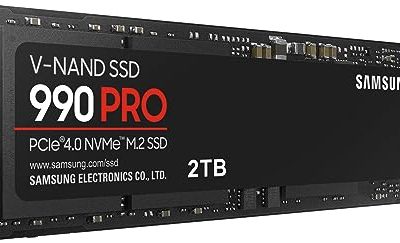
A fast SSD is useful if you load a large collection of your own MP3 files as the soundtrack, since the store page advertises that feature. The listed storage need is small, around 1600 MB, so any drive qualifies. Memory of 8 GB or more keeps the system comfortable, and a quiet cooling setup helps if you play with the volume low.
Common mistakes
- Overspending on VRAM. The listed need is 512 MB, so memory capacity should be chosen for other games.
- Chasing upscaling features. No DLSS or FSR option is listed for this game.
- Ignoring audio latency. Bluetooth headphones can undermine a rhythm game on any GPU.
- Forgetting the power supply. Higher-tier cards require larger supplies and specific connectors; follow the card maker’s stated requirements, and for the 12V-2×6 connector on high-end cards seat it fully and stop using the card if heat damage appears.
- Buying too small a case. Many mainstream cards are long and thick, so check clearance.
Alternatives and what to skip
- Previous-generation cards. Used or discounted older GeForce and Radeon cards easily exceed this game’s needs. Check warranty and driver support.
- A laptop with integrated graphics. Recent laptops run this title without a discrete GPU, and a handheld or small notebook is a pleasant way to play.
- Skip workstation or professional cards. They add cost without benefit for this game.
- Skip very old cards. A card that technically meets the 512 MB figure may lack current driver support; prefer hardware the maker still updates.
Bottom line
The published requirements are so low that this game should never drive a GPU purchase. Choose integrated graphics or an entry card if this is your main use, a mainstream card for flexible 1080p and 1440p gaming, and spend the savings on a low-latency display and wired audio. If you plan a stronger system for other reasons, the game will simply run.
Frequently Asked Questions
What is the best graphics card for Crypt of the NecroDancer?
No single card is best because the game’s needs are tiny. Integrated graphics or an entry card such as the RTX 5050 covers it, and a mainstream card is better if you play other games. Choose by your wider library, not by this title.
How much VRAM does it need?
Listings show 512 MB of video memory. Every current card exceeds that many times over. Larger memory pools only matter for newer, texture-heavy games.
Does it support DLSS or FSR?
The Steam page lists no such support. As a 2D game, it gains little from upscaling. Do not pay extra for those features on its account.
Can integrated graphics run it?
Yes, integrated graphics from recent Intel, AMD and Apple chips exceed the listed DirectX 9 class and 512 MB requirements. It is a good fit for small or portable systems. Check that your drivers are up to date from the maker.
Is an Intel Arc card a good idea for this game?
It can work, since the demands are low, but Intel’s cards target modern DirectX versions and older DirectX 9 titles use translation layers per reviewer reports. If you want the least risk with legacy games, GeForce or Radeon are the established choices. Read recent driver notes first.
Does frame rate affect rhythm accuracy?
A steady frame rate helps, but display and audio latency usually matter more. Use wired audio, a low-latency display mode and the game’s calibration option. A faster GPU does little for a 2D game that already runs smoothly on modest hardware.
Related guides
More from Amazon
Programs that pair well with the guide above. Offers and eligibility are set by Amazon and may change.
Free shipping on eligible items, Prime Video and more. Eligible new members can start with a free trial.
Start a Prime free trialAd-free music streaming. Eligible new subscribers can start with a free trial.
Try Music Unlimited freeA Prime membership for ages 18-24 with a trial period. Eligibility is set by Amazon.
See Prime for Young AdultsAudiobooks and podcasts to listen to on the go. Eligible new members can start with a free trial.
Try Audible freeAs an Amazon Associate we earn from qualifying purchases.