Our Top Picks
 ProCom Heating Liquid Propane Ventless Blue Flame Heater10000 BTU6.4 x 17 x 23 inchesCheck on Amazon
 VEVOR Propane Heater 18000 BTU 450 Sq. Ft.14.96x17.48x23.03 inch17.48 x 14.96 x 23.03 Inches13.45 PoundsCheck on Amazon
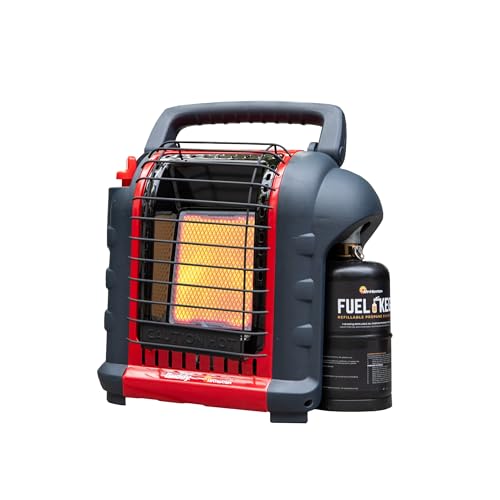
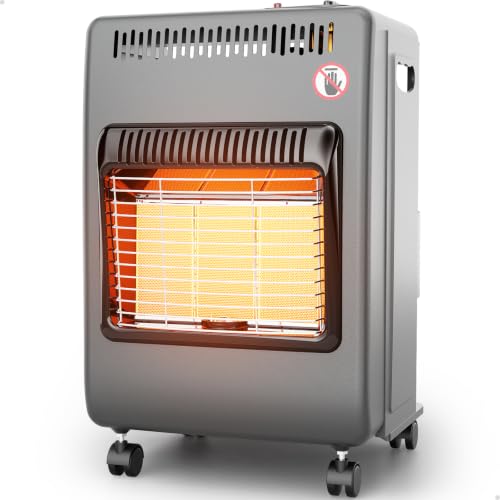
Top 3 picks at a glance
Best Indoor Propane Heaters: Choose by Safety, Room Size, and Ventilation
The best indoor propane heater is a model explicitly certified for indoor use, equipped with oxygen-depletion protection and tip-over shutoff, and sized to the room without exceeding its ventilation limits. For a small, occupied room, a low-output radiant heater may suit; for a larger space, choose a higher-output indoor-rated model only if its instructions allow that room size and you can provide the specified ventilation.
Start with the safety label—not the heat rating
“Indoor” in a product title or description is not enough. Check the heater’s data plate and manual for certification to an applicable standard for unvented gas-fired room heaters, such as ANSI Z21.11.2, and confirmation that the model is approved for indoor use in your location. Requirements can differ by country, and local rules may prohibit unvented propane heaters in some buildings or rooms. Follow the local authority and the manufacturer’s instructions where they are stricter.
As an Amazon Associate we earn from qualifying purchases at no extra cost to you.


Do not use an outdoor-only patio heater, construction heater, camping stove, or portable grill indoors. A carbon-monoxide alarm is an important additional safeguard, but it does not make an outdoor appliance safe to use inside or replace required ventilation.
What the safety features do—and don’t do
- Oxygen-depletion sensor (ODS): Monitors combustion conditions and shuts off the burner if oxygen falls to the sensor’s trip point. It is a backup, not a substitute for fresh air, and it does not measure carbon monoxide.
- Tip-over shutoff: Cuts fuel if the appliance is knocked over. It cannot prevent burns or start a fire if the heater is placed too close to curtains, furniture, bedding, or other combustibles.
- Overheat protection: Limits unsafe operating temperatures in some models. Keep required clearances even when this feature is present.
- Carbon-monoxide alarm: Install and maintain alarms as directed by their manufacturer and local code. If an alarm sounds, or anyone develops headache, dizziness, nausea, or confusion, leave for fresh air and contact emergency services. Do not re-enter to troubleshoot the heater.
Never bypass or disable a safety device. Do not operate a heater while sleeping, unattended, or in a room the manual excludes. Stop using it if the flame looks abnormal, the unit smells strongly of gas, or it repeatedly shuts down; ventilate and follow the manual’s troubleshooting guidance.
Match heat output to the room
Heater output is usually stated in British thermal units per hour (BTU/h). The table below gives a rough starting point for a typical room with an 8-foot ceiling—not a guarantee of comfort or permission to use a heater in that space. Insulation, outdoor temperature, drafts, and open doorways can change the required heat substantially. Most importantly, the heater’s manual may specify a minimum room size; that limit overrides a rule-of-thumb estimate.
| Room area | Approximate starting output at 20–30 BTU/h per sq ft | Practical use case |
|---|---|---|
| 150 sq ft | 3,000–4,500 BTU/h | Small, reasonably insulated room |
| 300 sq ft | 6,000–9,000 BTU/h | Medium room with limited drafts |
| 500 sq ft | 10,000–15,000 BTU/h | Large or open area; verify the manual’s minimum room size |
Worked sizing example: For a 300-square-foot room, a rough target is 300 × 20–30 = 6,000–9,000 BTU/h. A heater rated for 18,000 BTU/h is not automatically a better choice: it may heat unevenly, cycle or run too hot for the space, and its manual may require a larger minimum room. Look for an indoor-rated model with an output range that includes the room’s needs, then check its minimum room-size and ventilation instructions.
Ventilation is part of the heater’s operating requirements
Unvented propane heaters draw oxygen from the room and release combustion products, including water vapor, into the space. The amount of fresh air required depends on the specific appliance and room. Follow the manual’s ventilation method and minimum room-volume requirements exactly. Do not assume a cracked window, a kitchen exhaust fan, or an open interior door meets those requirements; fans can also create drafts that interfere with combustion.
Consider the moisture as well as the heat. In a tightly closed room, added water vapor can contribute to condensation on windows and dampness. If the room becomes stuffy, windows fog, or you notice persistent moisture, turn the heater off and improve ventilation as directed by the manufacturer. Never use an unvented propane heater in a bathroom, bedroom, or other restricted space unless the specific model’s approval, manual, and local rules explicitly permit it.
Which type fits your situation?
| Your situation | What to look for | Why |
|---|---|---|
| Small room, brief supplemental heat | Low-output indoor-certified radiant model with ODS and tip-over shutoff | Radiant heat warms nearby people and objects directly; a lower setting can reduce overheating in a compact space. |
| Medium room needing more even warmth | Indoor-rated model with adjustable output and a published minimum room size | Output control makes it easier to match changing heat demand without running at maximum continuously. |
| Large, drafty, or frequently occupied space | Only consider an indoor-rated unit if the manual permits the room and ventilation can be maintained; otherwise choose a vented heater or another heating system | High heat demand does not override oxygen, ventilation, or room-size limits. |
| Sleeping area, enclosed small room, or space with no reliable fresh-air path | Do not select an unvented portable propane heater unless explicitly permitted by the model instructions and local code | Occupants may not notice developing combustion or air-quality problems promptly. |
Before buying and each time you use it
- Verify the exact model: Confirm indoor-use approval, certification, fuel type, minimum room size, and ventilation directions in the manual—not just on the product listing.
- Check the installation conditions: Confirm required clearances from walls and combustibles, approved cylinder or hose arrangement, and whether the heater is permitted for the intended room.
- Prepare the room: Place the unit on a stable, level, noncombustible surface, away from foot traffic and anything that could fall onto it. Keep children and pets at a safe distance.
- Provide ventilation: Use the precise method specified by the manufacturer. Do not close the room up to conserve heat.
- Inspect and monitor: Check connections and the appliance as instructed. Use an appropriate leak-check method from the manual—never a flame—and keep functioning CO alarms in place.
- Shut down safely: Turn the heater off and close the fuel supply as the instructions direct before leaving the room or changing a cylinder. Let the appliance cool before handling or storage.
The bottom line
For the best indoor propane heater for your space, prioritize indoor certification, a properly functioning ODS, clear room-size and ventilation instructions, and an output suited to the room. If the manual’s minimum room size or ventilation conditions cannot be met, choose a different heating solution rather than relying on an alarm or safety shutoff to compensate.
Frequently asked questions
Can a carbon-monoxide alarm make an outdoor propane heater safe to use indoors?
No. A carbon-monoxide alarm is an additional safeguard, but it does not make an outdoor-only patio heater, construction heater, camping stove, or portable grill safe for indoor use. It also does not replace required ventilation. Use only a model explicitly approved for indoor use, and maintain alarms according to their manufacturer’s instructions and local code.
What should I do if the carbon-monoxide alarm sounds while the heater is running?
Leave immediately for fresh air and contact emergency services. Do not re-enter to troubleshoot the heater. The same response applies if anyone develops headache, dizziness, nausea, or confusion. Do not assume the heater’s oxygen-depletion sensor has detected carbon monoxide, because that sensor monitors combustion conditions and does not measure carbon monoxide.
Can I use an indoor propane heater while sleeping?
No. Do not operate an unvented propane heater while sleeping, unattended, or in a room the manual excludes. A sleeping or enclosed occupant may not notice developing combustion or air-quality problems promptly. Follow the specific model’s instructions and local rules, including any requirements for the room, ventilation, minimum room size, and approved operating conditions.
Why might an 18,000 BTU/h heater be unsuitable for a smaller room?
An 18,000 BTU/h heater is not automatically better for a smaller room. It may heat unevenly, cycle, or run too hot for the space, and its manual may require a larger minimum room. Choose an indoor-rated model whose output range fits the room’s needs, then verify the stated minimum room size and ventilation instructions.
What should I do if the heater repeatedly shuts down or smells strongly of gas?
Stop using the heater if it repeatedly shuts down, the flame looks abnormal, or the unit smells strongly of gas. Ventilate the room and follow the manual’s troubleshooting guidance. Never bypass or disable a safety device. For connections, use the leak-check method specified by the manual, never a flame, and close the fuel supply as directed.