
ASUS Dual RTX 5060 8GB Review: Specs, VRAM Limits and Alternatives
ASUS Dual RTX 5060 8GB review built from listing text: 8GB GDDR7 limits, PSU math, six alternatives, a VRAM worked example and a case-fit checklist.
We research everything we recommend. When you buy through our links, we may earn a commission. As an Amazon Associate we earn from qualifying purchases.
ASUS Dual RTX 5060 8GB review built from listing text: 8GB GDDR7 limits, PSU math, six alternatives, a VRAM worked example and a case-fit checklist.

RTX 5060 Ti 16GB vs 8GB: same GPU, double the memory. See which resolutions and games need 16GB, where 8GB still works, and a VRAM budget worked example.

How to undervolt a GPU on NVIDIA with MSI Afterburner and on AMD Radeon with Adrenalin, plus a stability checklist and fixes for crashes after tuning.
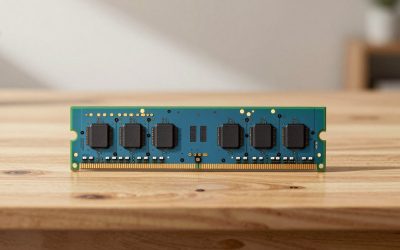
Best 32GB DDR5 RAM for gaming: eight desktop 6000 kits compared on CL timings, EXPO and XMP support, plus two listings to avoid and a latency worked example.
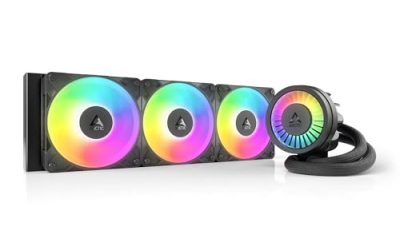
A Ryzen 9 processor does not behave like a Ryzen 5. With many more cores sharing one package, it can pull a lot of power in sustained all-core work.
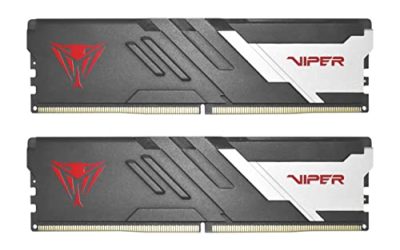
Sixteen gigabytes of DDR5 is where a lot of memory shopping lands in 2026: enough for most current games when a browser and a chat app run alongside.
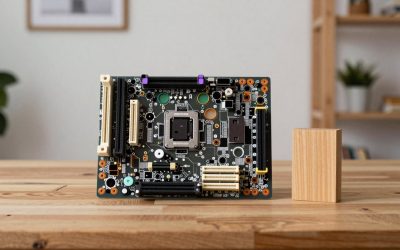
Picking a Z790 board in 2026 is less about chasing the newest socket and more about choosing the last great stop on a mature one.
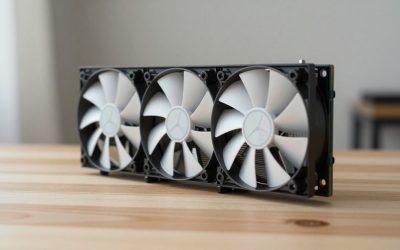
A quiet PC is built from the bottom up, and the processor cooler is the loudest part you can still fix cheaply.
Monitor refresh rate explained: what Hz means, frame-time math from 60 to 360 Hz, adaptive sync basics and a simple way to pick the right tier for you.

For a typical desktop PC, a line-interactive uninterruptible power supply with pure sine wave output...