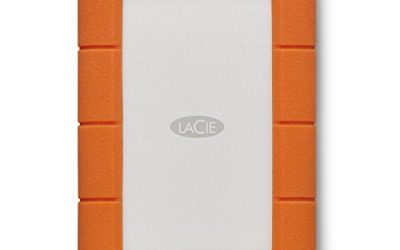
Console storage fills up quickly. A handful of modern releases can swallow a large share of the internal drive, and the usual fix is a portable SSD that holds the games you are not playing this week, or in some cases the ones you are. The decision behind this search is rarely about raw speed alone. It is about how much space you need, whether the drive survives a backpack, and whether your console can actually use it the way you intend.
This guide is for console owners who want a pocket-sized external drive in 2026, plus anyone sharing one drive between a console, a laptop and a handheld. We compare eight portable SSDs using only what their listings say, grouped by speed tier and capacity. Console support rules differ by model and generation, so confirm in the console maker’s documentation which port speeds and file systems your system accepts before buying.
Our Top Picks
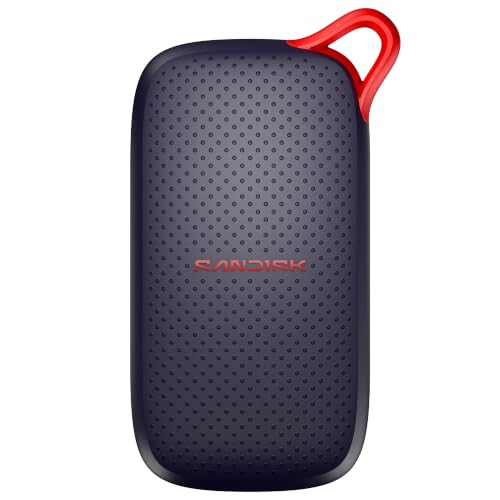

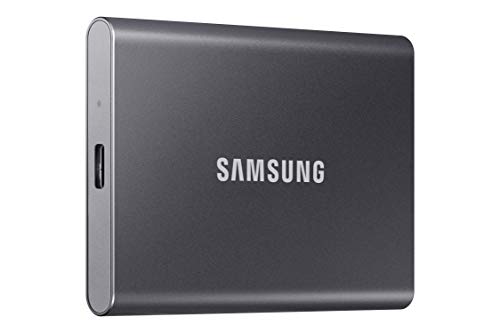
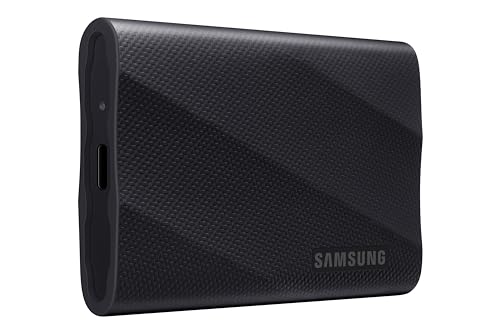
Top 3 picks at a glance
Quick Picks
As an Amazon Associate we earn from qualifying purchases at no extra cost to you.



| Product | Best for | Key feature from the listing |
|---|---|---|
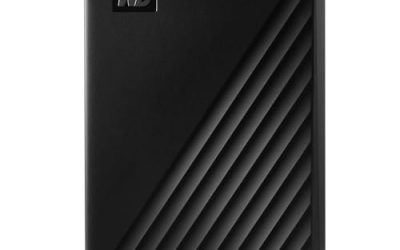
| SanDisk 1TB Portable SSD | Everyday game library storage | Up to 1000MB/s read, up to 2M drop protection |
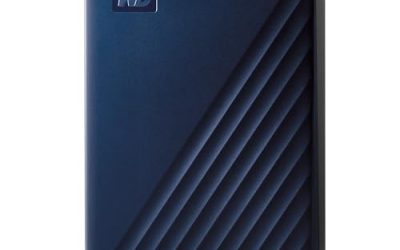
| SanDisk Extreme 1TB Portable SSD | Rugged, faster carry-around storage | Up to 2000MB/s, IP65 water and dust resistance |
| SanDisk 2TB Portable SSD | Large libraries at moderate speed | 2TB with up to 1000MB/s read |
| Samsung T7 1TB | Established, balanced choice | USB 3.2 Gen 2, up to 1,050MB/s |
| Samsung T9 2TB | Fastest-tier shared drive | USB 3.2 Gen 2×2, up to 2,000 MB/s |
| SanDisk Extreme 2TB Portable SSD | Big, durable, high-speed library | 2TB, up to 2000MB/s, 256-bit AES encryption |
| SanDisk 500GB Portable SSD | Light use and a few titles | 500GB, up to 1000MB/s read |
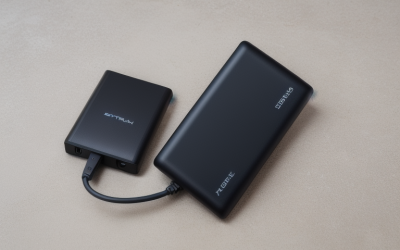
| SSK 500GB Portable SSD | Phone and console flexibility | USB-C with A and C cable, aluminum body, LED light |
How to Choose
Start With Capacity, Then Think About Growth
Capacity decides how useful the drive is over the long run. Five hundred gigabytes holds only a few large titles, one terabyte covers a respectable rotating library, and two terabytes suits players who keep many games installed. Game sizes keep climbing, so buying one tier above what you need today avoids repeating the purchase within a year.
Match the Interface and Cable to Your Console
Listings name USB 3.2 Gen 2 or Gen 2×2 and give a headline speed. A console port may not use the full speed of the fastest drives, so a very fast drive can run at the console’s limit while still being useful on a laptop or PC. Check that the cable matches the console port, and note whether the drive ships with both USB-A and USB-C connectors.
Weigh Durability Against Everyday Use
Some listings cite drop protection of two or three meters, and one adds IP65 water and dust resistance. Those details matter if the drive travels in a bag or gets handled often, but they are manufacturer figures rather than guarantees. A drive that stays plugged into a console shelf has less need for ruggedness, so do not pay extra for features that stay idle.
Ignore Peak Numbers, Watch the Budget Trade-Offs
Headline speeds describe best-case reads. Real loading times depend on the console, the game and the drive’s sustained performance. Budget models may skip encryption, heat control or solid metal bodies, and lesser-known brands may offer a thinner support network. Features such as phone video recording are nice extras but irrelevant to console storage.
The 8 Best Options
SanDisk 1TB Portable SSD
A straightforward 1TB pocket drive for players who want to expand storage without chasing the fastest tier. It is a sensible default if the console port is the speed bottleneck anyway. It also works as a general transfer drive for photos and documents when the console is off.
- Strength: up to 1000MB/s read speeds and a pocket-size body
- Strength: up to 2M drop protection and a claim of up to 5x faster than an HDD
- Trade-off: listed for laptops and tablets, so console compatibility needs a manual check
Skip it if you want water resistance or encryption.
SanDisk Extreme 1TB Portable SSD
The tougher, faster 1TB option, suited to anyone who carries games between homes or uses the drive on a laptop as well. It adds protection features the standard model lacks, which gives peace of mind when a drive rides in a bag next to keys and cables.
- Strength: up to 2000MB/s transfer speeds with USB-C 3.2 Gen 2
- Strength: IP65 water and dust resistance, up to 3M drop protection and 256-bit AES encryption
- Trade-off: console ports may not reach the headline speed, so part of the premium goes unused
Skip it if your drive never leaves the console shelf.
SanDisk 2TB Portable SSD
The roomier version of the standard SanDisk, meant for players with a large installed library who prefer capacity to speed. If you swap titles in and out of the console, having a large pool of installed games ready saves repeated downloads.
- Strength: 2TB capacity with up to 1000MB/s read speeds
- Strength: pocket size and up to 2M drop protection
- Trade-off: no water or dust rating listed
Skip it if you will only keep a few games on the drive.
Samsung T7 1TB
A familiar, balanced external drive that targets gaming, students and professionals alike, which makes it a good shared drive for a household. The Titan Gray model number in the listing helps you confirm the exact variant when you shop.
- Strength: USB 3.2 Gen 2 with up to 1,050MB/s
- Strength: a widely recognized model line
- Trade-off: speeds sit below the Gen 2×2 drives in this list
Skip it if you want the highest speed tier.
Samsung T9 2TB
A top-tier option for buyers who want the fastest interface here and 2TB of space, especially if a PC will also use the drive. Copying large game folders between machines is where a fast interface pays off most.
- Strength: USB 3.2 Gen 2×2 with up to 2,000 MB/s
- Strength: 2TB for large libraries
- Trade-off: a console may run it slower than its rated speed
Skip it if you plug only into a console and want to save money.
SanDisk Extreme 2TB Portable SSD
The largest rugged drive here, for a player who wants a very large library that travels well. It combines the biggest capacity in the SanDisk range here with the full set of protective features.
- Strength: 2TB with up to 2000MB/s transfer speeds
- Strength: IP65 resistance, up to 3M drop protection, 256-bit AES encryption
- Trade-off: it sits at the premium end of the list
Skip it if capacity matters less than price.
SanDisk 500GB Portable SSD
The smallest option, suited to a limited set of favorite games or secondary use as a transfer drive. It is the budget-tier entry in the group and fine as a first external drive.
- Strength: up to 1000MB/s read speeds in a pocket-size body
- Strength: up to 2M drop protection
- Trade-off: space runs out quickly with large modern titles
Skip it if you plan to keep many installed games.
SSK 500GB Portable SSD
A lesser-known brand with a flexible connection set, appealing to people who also use the drive with phones and laptops. The mixed cable set means one drive can plug into older and newer ports without extra adapters.
- Strength: USB-C drive with a USB-A and USB-C cable, aluminum body and an LED light
- Strength: up to 1050MB/s and SMART TRIM listed
- Trade-off: only 500GB, and the listing emphasizes phone video features over consoles
Skip it if you want a bigger-name brand or more storage.
Which One Fits Your Situation
You Own a Console and Want Simple Extra Space
The SanDisk 1TB Portable SSD or the Samsung T7 1TB give plenty of room without paying for speed the console may not use. Households with several players sharing one console will appreciate the extra headroom.
You Carry Games Between Locations
The SanDisk Extreme 1TB or 2TB offer the water, dust and drop ratings listed, so they suit backpacks, dorms and trips. Encryption adds a layer of protection if the drive is ever lost with saved files on it.
You Share One Drive Across a Console and a PC
The Samsung T9 2TB brings the Gen 2×2 interface, which a capable PC can use fully even if a console cannot. That way the same drive stays useful if you later upgrade your console or PC.
Common Mistakes
- Assuming every portable SSD works with every console without checking the manufacturer’s requirements.
- Buying 500GB and running out of space after a few large games.
- Paying for peak speed that the console port cannot use.
- Ignoring the cable type and ending up without the right connector.
- Treating drop and water ratings as guarantees instead of manufacturer figures.
Related guides
- How To Set Up Computer Speakers For Better Sound At Your Desk
- How To Check Whether Your Ram Is Running At Its Rated Speed
- How To Choose The Right Monitor Riser Height For Your Desk
Frequently Asked Questions
Can a portable SSD run console games directly?
That depends on the console and generation, and some systems limit external drives to storage. Read the console maker’s guidance before relying on a drive for play.
Is a faster drive always better?
Only when the port and use case can take advantage. A console may cap the speed, while a PC can use it fully.
How much capacity do I need?
One terabyte works for most rotating libraries, and two terabytes suit large collections. Five hundred gigabytes fits a few titles.
Do I need encryption or water resistance?
Not for a drive that stays at home. Travelers who carry the drive in a bag may value the rugged and encrypted models more, while a stay-at-home console owner can save money with a standard model.
Related guides
More from Amazon
Programs that pair well with the guide above. Offers and eligibility are set by Amazon and may change.
Free shipping on eligible items, Prime Video and more. Eligible new members can start with a free trial.
Start a Prime free trialAd-free music streaming. Eligible new subscribers can start with a free trial.
Try Music Unlimited freeA Prime membership for ages 18-24 with a trial period. Eligibility is set by Amazon.
See Prime for Young AdultsAudiobooks and podcasts to listen to on the go. Eligible new members can start with a free trial.
Try Audible freeAs an Amazon Associate we earn from qualifying purchases.