Our Top Picks
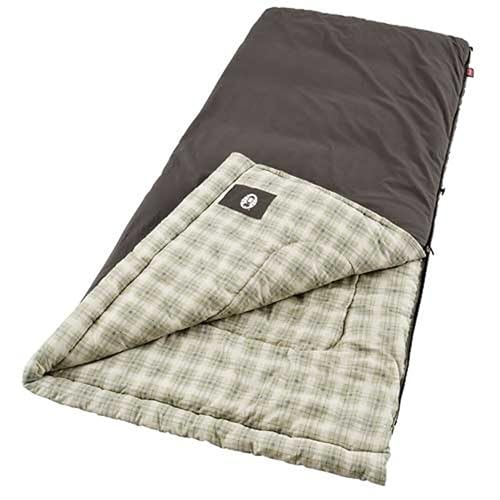 Coleman Heritage Big & Tall 10°F Flannel SleepingBig & Tall40 x 84 x 0 inches8.9 poundsCheck on Amazon


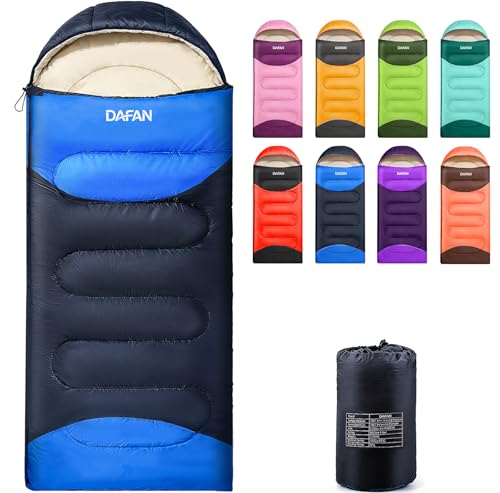
Top 3 picks at a glance
Best Sleeping Bags for Every Season
The best sleeping bags are chosen by matching the bag’s comfort temperature to your coldest expected night, then checking insulation, packed size, sleeping position, and whether you need a three-season or winter design.
Start With the Temperature Rating
Temperature ratings are useful only when you read the right number. On bags tested to the ISO 23537 standard, the comfort rating is the better reference for most sleepers. It represents the temperature at which a standard cold sleeper should remain comfortable. The limit rating is colder and assumes a warmer sleeper using a curled position. The extreme rating is an emergency survival value, not a sensible buying target.
As an Amazon Associate we earn from qualifying purchases at no extra cost to you.


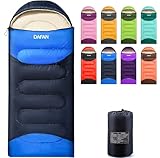
For example, a bag labeled “20°F” may have a comfort rating around 32°F and a lower limit near 20°F. It is not automatically a comfortable 20°F bag. Always look for the full comfort and limit figures rather than relying on the headline number.
| Expected low temperature | Recommended comfort rating | Suitable use |
|---|---|---|
| 60–70°F | 50–60°F | Summer camping, warm climates, indoor emergencies |
| 45–60°F | 40–50°F | Hot-weather backpacking and casual camping |
| 30–45°F | 25–35°F | Most spring, summer, and fall trips |
| 15–30°F | 10–20°F | Cold three-season trips and shoulder seasons |
| 0–15°F | -5–5°F | Winter camping in moderate cold |
| Below 0°F | At least 10°F colder than the forecast low | Serious winter and high-altitude use |
A practical safety margin is 10–15°F below the coldest forecast temperature. Weather forecasts can be wrong, and tired, wet, or underfed campers lose heat faster than expected.
Choose Between Down and Synthetic Insulation
Down: best warmth for the lowest weight
Down provides excellent warmth per ounce and compresses much smaller than synthetic fill. It is usually the best choice for backpackers who carry their sleeping gear long distances or need a compact pack. Premium goose or duck down bags can be exceptionally light, but they cost more and require careful moisture management.
Down loses insulating performance when soaked and dries slowly in humid conditions. Water-resistant shell fabrics and treated down reduce the risk, but they do not make a down bag waterproof. Use a dry bag, protect the bag from tent condensation, and avoid storing it compressed at home.
Synthetic: best for damp conditions and value
Synthetic insulation keeps more of its warmth when damp, dries faster, and generally costs less. It is a strong choice for rainy climates, car camping, scouting, or anyone who does not want to handle down carefully. The trade-off is greater packed size and weight for the same temperature rating.
Models such as the Marmot Trestles Elite Eco 20 represent the synthetic category well, while bags such as the Sea to Summit Spark 18 and Therm-a-Rest Hyperion 20 illustrate the lighter down-oriented approach. Exact ratings, fill weights, and dimensions vary by size, so compare the specification panel rather than the model name alone.
Match the Bag to Your Sleeping Position
- Back sleepers: A mummy bag is usually the most thermally efficient because it minimizes empty air space around the body.
- Side sleepers: Choose a roomier mummy or semi-rectangular bag with enough knee and shoulder width to turn without compressing the insulation.
- Active sleepers: A rectangular or highly articulated design can be more comfortable, but the extra interior volume requires more body heat to warm.
- Broad-shouldered users: Check shoulder, hip, and foot-box measurements. A bag that is too narrow can compress insulation and create cold spots.
- Couples: Two compatible bags may zip together, but only when the zippers, lengths, and left/right configurations are designed to connect.
A useful rule is to buy the narrowest shape that lets you change position naturally while wearing the layers you may sleep in. Excess room is not free: every unused pocket of air must be warmed.
Three-Season Versus Winter Sleeping Bags
Three-season bags
A three-season bag normally targets spring through fall, with comfort ratings from about 20°F to 40°F. For many campers, a 20°F comfort-rated bag is more versatile than a 40°F summer bag because it can handle chilly shoulder-season nights and be vented with its zipper when temperatures rise.
Good examples of this category include the NEMO Disco 15, which favors side-sleeping room, the Big Agnes Torchlight UL 20, which offers an adjustable-width design, and the Western Mountaineering Versalite, a lighter premium option intended for colder three-season conditions. These bags suit different priorities rather than representing one universal “best” choice.
Winter bags
Winter bags usually have comfort ratings from approximately 0°F down to -20°F or colder. They need more fill, a well-sealed hood, a draft collar, a draft tube along the zipper, and a snug foot box. A full-length zipper is useful for ventilation, but oversized openings can leak heat in severe cold.
Winter bags are larger and heavier, and they are rarely comfortable in warm weather. If your trips range from summer to deep winter, owning separate bags is often more practical than trying to make one extreme bag do everything.
Use This Decision Matrix
| Your priority | Best specification target | Why |
|---|---|---|
| Lowest pack weight | Down, mummy shape, 800-fill or higher | Maximum warmth with minimal insulation weight |
| Wet or humid trips | Synthetic, water-resistant shell, comfort rating below forecast low | Retains more performance when damp and dries faster |
| Side sleeping | Roomy mummy or adjustable semi-rectangular shape | Allows hip and shoulder rotation without compressing fill |
| Summer-only camping | 40–55°F comfort rating, full-length zipper | Prevents overheating and packs smaller than a cold-weather bag |
| Winter camping | 0°F or colder comfort rating, draft collar and insulated hood | Seals heat around the neck, head, and zipper |
| Car camping | Rectangular shape and synthetic fill | Prioritizes comfort, durability, and price over minimum weight |
Do Not Ignore the Sleeping Pad
The sleeping bag insulates your top and sides, but your body compresses the insulation underneath you. The pad is therefore part of the bag’s warmth system. A thick winter bag on a low-insulation pad can still feel cold from below.
For cool three-season trips, a pad with an R-value around 3–4 is a sensible starting point. For winter, look for an R-value of at least 5, and consider layering pads if the ground will be frozen. As a simple example, combining an R-2.5 closed-cell foam pad with an R-3.5 insulated air pad gives roughly R-6 when their insulating layers are stacked, although real-world performance depends on construction and contact between the pads.
This is why upgrading a pad can solve a cold-sleeping problem more effectively than replacing a 20°F bag with a 0°F model.
Check Packed Size and Total Carry Weight
Compare packed volume, not just fill power. A down bag rated for 20°F may pack to roughly 6–10 liters, while a similarly rated synthetic bag may occupy about 10–18 liters. Winter bags can exceed 15 liters even when made with premium down.
Manufacturers measure packed size differently, so treat the number as an estimate. Compression sacks reduce volume for transport but should not be used for long-term storage. At home, keep the bag loosely stored in its large storage sack so the insulation can recover its loft.
Buying Checklist
- Use the comfort rating, not the extreme rating, as your main temperature reference.
- Choose a bag at least 10°F warmer than the coldest expected night.
- Confirm the bag’s length and shoulder, hip, and foot-box measurements.
- Pick down for minimum weight and packed size; pick synthetic for damp conditions and lower cost.
- Look for a hood, draft collar, and zipper draft tube when buying for cold weather.
- Budget for a properly insulated sleeping pad.
- Check the packed volume against your backpack’s available space.
- Keep down dry and store every sleeping bag uncompressed between trips.
For most people, the best sleeping bags are not the warmest or lightest models available. They are the bags whose comfort rating, shape, insulation, and packed size match the actual trips you take. A versatile 20°F three-season bag is the strongest single-bag option for many campers, while dedicated summer and winter bags make more sense when conditions regularly fall at opposite extremes.
Frequently asked questions
Can one sleeping bag work for both summer and winter camping?
One sleeping bag rarely works comfortably across the full range from summer to deep winter. A versatile 20°F three-season bag can handle chilly shoulder-season nights and be vented when temperatures rise, but winter bags are larger, heavier, and usually too warm for warm weather. If your trips span both extremes, owning separate bags is often more practical.
How should I store a sleeping bag between trips?
Store a sleeping bag loosely in its large storage sack rather than compressed. Compression sacks are useful for transport, but long-term compression can prevent the insulation from recovering its loft. Keep down dry, protect it from tent condensation, and avoid treating a down bag as waterproof, even when it has treated insulation or a water-resistant shell.
Why can I still feel cold with a warm sleeping bag?
You can still feel cold because the sleeping pad provides insulation beneath your body, where the sleeping bag’s fill is compressed. For cool three-season trips, an R-value around 3–4 is a sensible starting point; for winter, look for at least 5. Layering pads can also help when the ground is frozen.
Is a sleeping bag’s headline temperature the temperature at which I will be comfortable?
The headline temperature is not necessarily the comfort temperature. A bag labeled “20°F” may have a comfort rating around 32°F and a lower limit near 20°F. Use the comfort rating as the main reference for most sleepers, and choose a rating 10–15°F below the coldest forecast temperature to allow for changing conditions.
Can two sleeping bags be connected for couples?
Two sleeping bags can be zipped together only when their zippers, lengths, and left/right configurations are designed to connect. Compatibility is not guaranteed simply because both bags have zippers. Before relying on this arrangement, check those specifications and remember that a connected setup may provide more interior space to warm than a single, closer-fitting bag.