The best coin display cases for safe storage are rigid, acid-free cases with correctly sized capsules, a secure closure, UV-filtering acrylic or glass, and enough depth to prevent coins from touching the lid.
As an Amazon Associate we earn from qualifying purchases at no extra cost to you.


Our Top Picks
 SQEYYGI 10Pcs Coin Holder Challenge Coin Display Stand2.75×2.75×0.8 inches2.75 x 2.75 x 0.75 inches0.7 poundsCheck on Amazon
 JinChuan Challenge Coin Display Case Military Coin HolderSmall - Black without LED 1 Pack11 x 1.75 x 13.98 inches1.3 PoundsCheck on Amazon
 Military Challenge Coin Display Case Poker Chip Display14 x 1.75 x 17.5 inches4.6 poundsCheck on Amazon
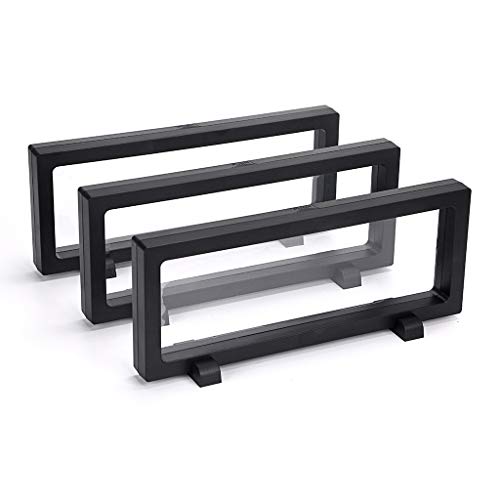
Top 3 picks at a glance
Quick Recommendations by Collection Type
| Collection situation | Best case format | Useful capacity | Priority specifications |
|---|---|---|---|
| Small collection of valuable coins | Lockable presentation box with individual capsules | 12–24 coins | Rigid shell, felt-free acid-free lining, tamper-resistant clasp, UV-filtering lid |
| Growing mixed collection | Modular tray cabinet or stackable drawer case | 60–120 coins | Removable trays, adjustable dividers, capsule compatibility, dust seals |
| Large collection for frequent access | Multi-tray cabinet with a separate inventory system | 150–300 coins | Full-extension trays, anti-tip design, load-rated shelves, numbered compartments |
| Oversized medals and commemoratives | Deep compartment case with custom foam or inert supports | 6–30 pieces | At least 8–12 mm clearance around each item, non-abrasive supports, adjustable depth |
What Makes a Coin Display Case Safe?
A display case has two jobs that can conflict: it must show the collection clearly while limiting physical, chemical, and environmental damage. A transparent lid alone is not enough. A good case controls movement, reduces handling, limits ultraviolet exposure, and uses materials that will not release harmful acids or plasticizers near the coins.
- Rigid construction: A case should not flex enough for coins or capsules to shift during moving. Wood, aluminum, steel, and thick impact-resistant acrylic can all work when properly lined.
- Inert contact surfaces: Look for archival polyester, polypropylene, polyethylene, acrylic, or acid-free fabric. Avoid bare PVC, rubbery foam, and strongly scented adhesives inside the storage area.
- Reliable closure: A magnetic flap is convenient for low-risk display, but a latch, keyed lock, or recessed clasp is better for valuable pieces.
- Dust control: A perimeter seal keeps grit away from capsule hinges and coin edges. It also slows changes in humidity, though it does not make a case humidity-controlled.
- Stable base: A case that rocks or slides is more likely to be knocked over. Rubber feet and a wide footprint matter more than decorative trim.
Case Materials: The Practical Trade-Offs
Wooden presentation boxes
Wood offers a traditional appearance and good rigidity, but the interior finish matters. A sealed wooden case with an inert lining is preferable to unfinished wood or newly varnished surfaces. Fresh finishes can release volatile compounds, so air out a new case before placing valuable coins inside. Wood is best for a small or medium collection that will remain in a relatively stable room.
Aluminum and steel cabinets
Metal cases provide strong impact resistance and are a sensible choice for transport or high-value collections. Aluminum is lighter; steel is heavier and usually more resistant to forced entry. Both need an interior barrier because direct metal contact can scratch capsules and may create condensation problems when temperatures change.
Acrylic and polycarbonate cases
Clear plastic provides excellent visibility and low weight. Polycarbonate generally resists impact better than acrylic, while acrylic often offers a clearer, glass-like appearance. Check whether the lid includes UV filtering rather than assuming every transparent panel blocks ultraviolet light. Plastic can also scratch, so use a soft cloth and avoid abrasive cleaners.
Glass-front cabinets
Glass resists scratching and gives a premium display appearance, but it is heavy and can break. Standard glass also provides limited UV protection unless it has a treated or laminated specification. For a cabinet near a window, use UV-filtering glazing or add a UV-blocking film to the room’s window; do not rely on ordinary glass alone.
Tray Dimensions and Capsule Compatibility
The most common buying mistake is matching the case to the coin’s diameter while ignoring the capsule’s outside diameter. A 40 mm coin may require a 46–48 mm capsule, and the case compartment must be larger still to allow removal without scraping neighboring capsules.
Measure three dimensions before buying:
- Capsule outside diameter: Measure across the widest part, including any rim or hinge.
- Capsule height: Measure the closed capsule, not the coin alone.
- Compartment clearance: Add at least 2 mm to the diameter and 2–3 mm to the height for routine handling.
For example, a 46 mm capsule should normally sit in a compartment at least 48 mm wide. If the tray uses a tight grid, 47 mm may technically fit but will make removal difficult and increase the chance of dropping the capsule onto a hard edge.
| Coin or capsule size | Recommended compartment width | Recommended usable depth | Typical tray layout |
|---|---|---|---|
| 20–30 mm coin in capsule | 32–35 mm | 10–14 mm | 5 × 4 or 6 × 5 |
| 31–39 mm coin in capsule | 41–44 mm | 12–16 mm | 4 × 4 or 5 × 4 |
| 40–46 mm coin in capsule | 48–52 mm | 14–20 mm | 4 × 3 or 3 × 3 |
| Large medal or slab | Measured individually | 20–35 mm | Adjustable or custom compartments |
Cases with removable trays are usually safer for mixed collections than fixed-grid boxes. A fixed grid wastes space when one coin is too large, while adjustable dividers let you create a larger bay without forcing a capsule into an undersized opening.
UV Protection and Display Placement
Ultraviolet exposure can fade labels, alter paper inserts, and contribute to discoloration of some materials around a collection. Coin metal itself is not equally sensitive to UV, but the display environment still benefits from protection.
- Choose a lid or cabinet glazing specified to block at least UV-A wavelengths, ideally with a stated UV-blocking percentage.
- Keep the case away from direct sun, skylights, radiators, and exterior walls with large temperature swings.
- Use low-heat LED lighting rather than halogen bulbs inside or immediately above the cabinet.
- Rotate displayed pieces if the case is in a bright room and preserve paper certificates separately in archival sleeves.
UV protection is not a substitute for temperature and humidity stability. A case in direct sunlight can become much hotter than the room, causing condensation and accelerated aging even when the lid filters UV.
Security: Match Protection to Risk
For a desktop collection worth a modest amount, a fitted lid and concealed clasp may be sufficient. For rare or financially significant coins, select a lockable case that can be anchored to furniture or a wall. The lock should prevent casual access, but it should not be treated as a safe against determined theft.
Consider the complete security chain: a portable case can simply be carried away, and a glass cabinet can be forced open even if it has a small lock. A heavier cabinet with anchor points, an alarmed room, or a bank safe-deposit arrangement may be more appropriate for the highest-value pieces. Keep photographs, purchase records, dimensions, and certificates in a separate location.
Capacity: Calculate Before You Buy
Advertised capacity often assumes small bare coins. Estimate usable capacity from your actual capsule size. If a tray measures 300 mm by 240 mm and each compartment occupies a 50 mm square, the theoretical grid is:
300 ÷ 50 = 6 columns
240 ÷ 50 = 4 rows
6 × 4 = 24 compartments
That is 24 coins per tray, but a practical target is about 20–22 if the dividers are thick or the case has a border that reduces the usable area. For a 90-coin collection, three such trays provide 72 practical positions, so you would need four trays or a larger format. Buying 20–30% more capacity than your current collection avoids overcrowding and reduces the temptation to stack capsules.
Decision Matrix: Which Case Should You Choose?
| Your priority | Choose | Avoid |
|---|---|---|
| Maximum visibility on a desk | Clear UV-filtering lid with individual capsule wells | Deep opaque drawers that require handling to view coins |
| Frequent expansion | Stackable modular trays with removable dividers | Fixed compartments sized for only one coin diameter |
| Transport to shows or clubs | Padded rigid case with a positive latch | Loose foam inserts and magnetic closures alone |
| Mixed sizes and medals | Adjustable compartments or several dedicated trays | Single-size grid trays |
| High-value collection | Lockable, anchorable cabinet with inert materials | Portable decorative boxes with no anchoring option |
Frequently asked questions
Should I store coins in capsules or directly in the display case?
Use correctly sized capsules when possible, especially for valuable coins. Measure the capsule’s outside diameter and height rather than matching the case to the coin alone. The compartment should provide at least 2 mm of extra width and 2–3 mm of extra height for handling, while avoiding bare PVC, rubbery foam, and strongly scented adhesives.
How should I prepare a new wooden coin display case?
Air out a new wooden case before placing valuable coins inside. Fresh finishes can release volatile compounds, and unfinished wood or newly varnished surfaces are less suitable than a sealed case with an inert lining. Wood works best for a small or medium collection kept in a relatively stable room.
Can a coin display case protect the collection from humidity?
A dust seal can slow changes in humidity, but it does not make a case humidity-controlled. Keep the case away from direct sun, radiators, skylights, and exterior walls with large temperature swings. UV protection also cannot replace stable temperature and humidity, because sunlight may heat the case and cause condensation.
How much extra capacity should I plan for when buying a case?
Buy about 20–30% more capacity than your current collection. This leaves room for additions and reduces the temptation to stack capsules. Advertised capacity may assume small bare coins, so calculate space using your actual capsule dimensions and allow for thick dividers or borders that reduce the usable area.
What should I do with coin certificates and purchase records?
Keep photographs, purchase records, dimensions, and certificates in a separate location from the display case. Paper certificates should be preserved separately in archival sleeves, particularly when the case is displayed in a bright room. Separating documentation also gives you a record if the case is moved, damaged, or carried away.
Final Buying Checklist
- Measure the outside dimensions of every capsule, slab, or protective holder.
- Confirm each compartment provides handling clearance rather than a friction fit.
- Check that the lining is acid-free and free of PVC or soft, degrading foam.
- Prefer UV-filtering glazing with a stated specification.
- Choose a depth that prevents the lid from touching stacked capsules.
- Allow at least 20% spare capacity for future purchases.
- For valuable collections, select a lock and an anchoring method, then maintain a separate inventory and insurance record.
The right case is therefore less about appearance or maximum advertised capacity than about a precise fit. A modular, inert-lined case with UV-filtering glazing is the most versatile choice for most collectors; a lockable anchored cabinet is better when security dominates, while adjustable deep trays are the practical answer for medals, slabs, and mixed-size collections.