Our Top Picks

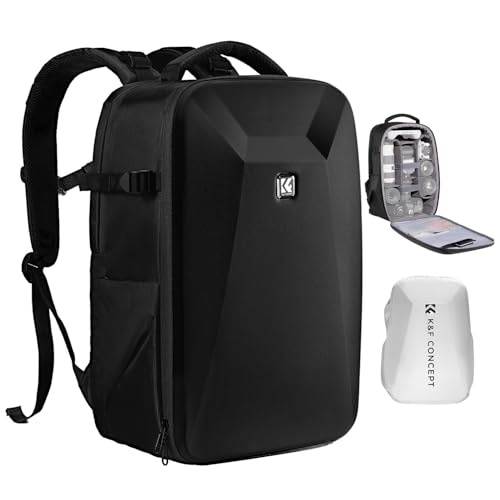

Top 3 picks at a glance

Best Camera Bags Under $200
The best camera bags under 200 are the Lowepro Fastpack Pro BP 250 AW III for maximum usable capacity, the Tenba Fulton V2 14L for compact weather protection, the Peak Design Everyday Backpack Zip 20L for fast organization, and the WANDRD PRVKE Lite for a slim expandable carry setup.
At this price, the important difference is not simply how many liters a bag claims to hold. A camera bag may have plenty of empty space but lose usable capacity to thick dividers, a narrow opening, or a laptop sleeve that consumes the main compartment. The comparisons below focus on what you can realistically carry, how quickly you can reach it, and how well the bag handles rain and long walks.
As an Amazon Associate we earn from qualifying purchases at no extra cost to you.


Quick comparison
| Bag | Typical price | Usable camera setup | Laptop storage | Weather protection | Best for |
|---|---|---|---|---|---|
| Lowepro Fastpack Pro BP 250 AW III | Varies | Mirrorless or DSLR body, 2–3 lenses, accessories | Up to about 15-inch class | Built-in all-weather cover | Maximum capacity and travel |
| Tenba Fulton V2 14L | Varies | Mirrorless body, 2 lenses, small drone or accessories | Up to about 13-inch class | Water-resistant fabric and cover design varies by version | Compact everyday carry |
| Peak Design Everyday Backpack Zip 20L | Varies | Body, 2 lenses, compact flash or accessories | Up to about 13-inch class | Weather-resistant exterior; no substitute for a rain cover | Fast access and urban use |
| WANDRD PRVKE Lite | Varies | Mirrorless body, 2 lenses, compact tripod or jacket | Up to about 13-inch class | Water-resistant materials and roll-top design | Expandable carry and mixed gear |
Capacity figures are practical estimates rather than promises: a large professional zoom, battery grip, or full-size DSLR can reduce the number of lenses that fit. Camera cubes and dividers also change the result considerably.
1. Lowepro Fastpack Pro BP 250 AW III: best for the most gear
The Fastpack Pro BP 250 AW III is the strongest choice when camera equipment is only part of the load. Its roughly 25-liter overall capacity leaves room for a camera compartment, personal items, and a computer without forcing every accessory into a separate pouch.
The lower compartment is suited to a camera body with a standard zoom attached, plus two smaller lenses or a telephoto lens and accessories. The upper compartment is useful for a jacket, charger, snacks, or a compact drone. A side opening provides quicker camera access than removing the backpack completely, while the rear-access layout adds security in crowded places.
- Usable capacity: best among these choices for a body, three lenses, and non-camera items.
- Weather: the included all-weather cover is a major advantage in sustained rain.
- Comfort: padded shoulder straps and a supportive back panel help when the bag is heavily loaded.
- Laptop: suitable for a larger laptop than the compact alternatives.
- Trade-off: it is bulkier and slower to access than a small sling or side-opening daypack.
Choose it if you regularly carry a laptop, camera, spare clothing, and several lenses. Avoid it if your usual kit is one body and one lens; the extra structure will feel unnecessary.
2. Tenba Fulton V2 14L: best compact protection
The Tenba Fulton V2 14L is a better fit for photographers who want a relatively small backpack that still protects a serious mirrorless kit. Its roll-top-style upper section can carry personal items, while the padded camera insert keeps the body and lenses separated from the rest of the load.
The bag is especially practical for a mirrorless body with a standard zoom, a second lens, batteries, and a small tablet or compact laptop. It is less suitable for a DSLR with multiple large f/2.8 zooms. The narrower profile also makes it easier to use on public transport and crowded streets.
- Usable capacity: roughly one body and two lenses, with limited room for personal gear.
- Weather: stronger rain protection than an ordinary fabric daypack, but check whether the exact configuration includes a dedicated cover.
- Comfort: good for moderate loads; less forgiving when packed with heavy glass and a computer.
- Laptop: intended for smaller computers, generally around the 13-inch class.
- Access: camera access is secure but not as immediate as a side-opening design.
Pick the Fulton when weather resistance and a compact footprint matter more than carrying every lens you own.
3. Peak Design Everyday Backpack Zip 20L: best access speed
The Peak Design Everyday Backpack Zip 20L is the most convenient option for moving between camera work, commuting, and ordinary daily use. Its side access lets you rotate the bag forward and reach the camera without placing it on the ground. The opening is also less cumbersome than a full roll-top when you need to change lenses quickly.
Its configurable dividers work well for a mirrorless body, two lenses, and a compact flash. The main compartment can also be reconfigured to carry headphones, a handheld gaming device, or a jacket when the camera insert is removed or reduced. That flexibility is more valuable than the nominal 20-liter rating.
- Usable capacity: approximately one mirrorless body, two lenses, and a few accessories.
- Weather: weather-resistant materials and protected zippers handle light rain, but use a separate cover for prolonged exposure.
- Comfort: comfortable for a moderate load, though less supportive than a hiking-oriented pack.
- Laptop: suited to a compact laptop or tablet rather than a large workstation computer.
- Access: the fastest design here for grabbing a camera while standing.
This is the best match for city shooting, commuting, and events where access speed matters more than maximum lens capacity.
4. WANDRD PRVKE Lite: best for expandable mixed loads
The WANDRD PRVKE Lite combines a padded camera compartment with a roll-top section that expands when you need to carry clothing, food, or a small tripod. That makes it useful for day trips where the amount of non-camera gear changes during the day.
The roll-top helps keep light rain out, but it should not be treated as waterproof. The camera cube can be removed, allowing the bag to function as a normal daypack. A separate camera cube also makes packing easier if you already own one, although buying additional inserts can push the total cost beyond the target.
- Usable capacity: one mirrorless body and two lenses, with expandable room above the camera section.
- Weather: good resistance to brief rain; use a cover in heavy weather.
- Comfort: supportive enough for day trips, but fit depends strongly on torso length and packing weight.
- Laptop: generally appropriate for a compact laptop in the 13-inch class.
- Access: rear camera access is secure but slower than a side opening.
Which camera bag should you choose?
| Your situation | Best choice | Why |
|---|---|---|
| Body, three lenses, laptop, and clothing | Lowepro Fastpack Pro BP 250 AW III | Largest practical capacity and included rain cover |
| Small mirrorless kit for daily commuting | Tenba Fulton V2 14L | Compact shape without abandoning camera padding |
| Frequent lens changes while walking | Peak Design Everyday Backpack Zip 20L | Fast side access and flexible dividers |
| Camera plus jacket, food, or travel accessories | WANDRD PRVKE Lite | Expandable roll-top storage |
| Large DSLR or professional f/2.8 zooms | Choose by internal compartment dimensions | Liter ratings alone will not guarantee a fit |
How to check capacity before buying
Start with the largest item: usually the camera body with its most-used lens attached. Measure its length, height, and depth, then add at least 1–2 centimeters of clearance on every side for dividers and easy removal. Repeat this for the second-largest lens rather than relying on the bag’s total volume.
For example, a mirrorless body and attached standard zoom may occupy about 24 × 15 × 11 centimeters, or roughly 4 liters once padding and access space are included. Two smaller lenses may add another 3–4 liters. That already consumes 7–8 liters of protected space before batteries, a charger, and a laptop are considered. This is why a nominal 14-liter bag can feel full with a modest kit.
Also check the laptop sleeve dimensions, not just its advertised screen size. A thick 14-inch laptop may fit poorly in a sleeve designed around a thin 13-inch model. Finally, load the heaviest items close to your back; placing lenses in the outermost pocket makes even a well-padded bag feel uncomfortable.
Frequently asked questions
Can these bags carry a drone or tripod?
The Lowepro Fastpack Pro BP 250 AW III has room in its upper compartment for a compact drone. The Tenba Fulton V2 14L can accommodate a small drone or accessories. The WANDRD PRVKE Lite has expandable space for a compact tripod, clothing, food, or other travel items. The Peak Design Everyday Backpack Zip 20L is described mainly for a body, lenses, flash, and ordinary daily gear.
Which bag is most suitable for public transport and crowded streets?
The Tenba Fulton V2 14L is especially practical for public transport and crowded streets because its profile is relatively narrow. The Peak Design Everyday Backpack Zip 20L is also suited to urban use, with side access that lets you reach the camera while standing. The Lowepro adds security through rear access, but it is bulkier.
Can the camera compartments be removed?
The WANDRD PRVKE Lite has a removable camera cube, allowing it to function as a normal daypack. The Peak Design Everyday Backpack Zip 20L can also be reconfigured for ordinary items when its camera insert is removed or reduced. The article does not state that the camera compartments in the Lowepro or Tenba can be removed.
How should heavy equipment be packed for comfort?
Place the heaviest items close to your back rather than in the outermost pocket. Lenses stored far from your back can make even a well-padded bag feel uncomfortable. The Lowepro Fastpack Pro BP 250 AW III is described as better supported for heavily loaded carrying, while the Tenba Fulton V2 14L is less forgiving with heavy glass and a computer.
Do I need a separate rain cover for any of these bags?
A separate rain cover is recommended for prolonged exposure with the Peak Design Everyday Backpack Zip 20L and for heavy weather with the WANDRD PRVKE Lite. The Lowepro Fastpack Pro BP 250 AW III includes an all-weather cover. For the Tenba Fulton V2 14L, check whether the exact configuration includes a dedicated cover, because the cover design varies by version.
Bottom line
Buy the Lowepro Fastpack Pro BP 250 AW III when capacity and rain protection are priorities. Choose the Tenba Fulton V2 14L for a compact mirrorless kit, the Peak Design Everyday Backpack Zip 20L for the quickest access, or the WANDRD PRVKE Lite when personal storage needs to expand throughout the day. Staying under $200 is realistic, but the best value comes from matching the bag’s protected compartment to your actual camera dimensions rather than choosing by liters alone.