A 65W TDP processor is the easiest kind of chip to cool, and that is exactly why so many buyers overspend on it. Parts like the Ryzen 5 non-X models and the locked Core i5 and i3 chips draw modest power at their rated limit, so the real question is not “how much cooling is enough” but “what shape of cooler suits this case.” A 23mm slim heatsink for a living-room mini PC, a double-tower for a silent desktop and a plain replacement for a worn-out stock cooler are all legitimate answers to the same 65W number.
This guide is for builders pairing a locked, mid-power processor with a cooler that fits their chassis and noise goals. It covers seven options ranging from ultra-low-profile to oversized double-tower designs, with the 2026 buyer in mind who may be rebuilding an older LGA1151 or LGA1200 system as often as setting up a new AM5 machine. One heatsink in the search results, a bare aluminum block with an unclear listing, was left out because the title does not state enough to judge.
Our Top Picks



Top 3 picks at a glance
Quick Picks
As an Amazon Associate we earn from qualifying purchases at no extra cost to you.



| Product | Best for | Key spec from the title |
|---|---|---|
| Silverstone NT07-115X | Slim HTPC and mini cases | 23mm tall, 65W TDP support, 80mm PWM fan |
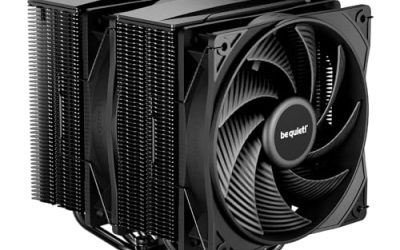
| be quiet! Pure Rock Pro 3 | Silent desktop with headroom | 250W TDP, double tower, 2 PWM fans, 6 heat pipes |
| Thermalright Assassin X120 Refined SE | Value tower for AM4, AM5 and Intel | 4 heat pipes, TL-C12C PWM fan, AGHP |
| LGA1151 replacement cooler | Swapping a failed stock cooler | 4-pin PWM fan, backplate, 65W TDP, pre-applied |
| SAMA A60B | Quiet operation at low fan speed | 265W TDP, dual tower, dual 120mm PWM fans |
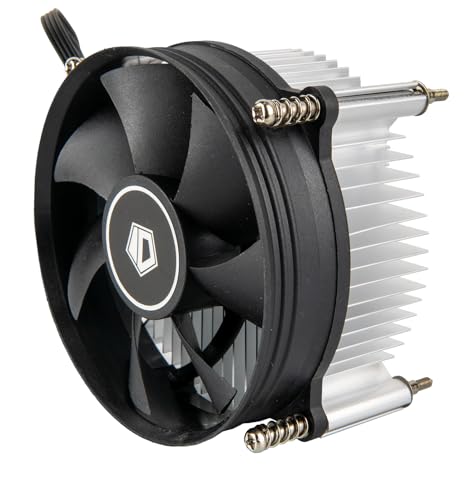
| DK-15 PWM | Compact Intel builds | 57mm height, 92mm PWM fan, LGA1200/115X |
| be quiet! Pure Rock Low Profile | Small form factor AMD or Intel | 100W TDP, 3 heat pipes, compact |
How to Choose
Height decides everything in small cases
Before comparing heat pipes, measure the vertical gap between the CPU socket and the case panel. Slim cases often allow only 30mm to 70mm. The Silverstone model at 23mm and the DK-15 at 57mm fit spaces where a typical tower cannot. A 120mm tower usually needs 150mm or more, so any case under that figure demands a low-profile option. Also account for memory: tall heatsinks on the DIMM side can block the first slot on some boards, and a low-profile cooler sidesteps that problem entirely. If the case has a PSU shroud or a drive cage above the socket, count that space too, since the published case clearance figure usually refers only to the side panel.
Read the cooler’s TDP rating, not just the chip’s
A cooler rated for 65W matches a 65W processor with no spare capacity, so it will work but may run its fan harder. A cooler rated for 100W, 250W or higher gives the same chip more margin, which usually translates into slower fan speeds and less noise. Prefer a rating at least 1.5 times the processor TDP if noise matters. Keep in mind that TDP is a nominal figure, and locked chips can briefly draw more than 65W during boost, so a little margin protects you from fan noise spikes when a game or compile job loads every core.
Socket support and mounting
Several budget coolers target one family only, such as LGA1151, LGA1150, LGA1155 and LGA1200 for Intel. Others list AM4, AM5 and LGA1700. Confirm the exact socket, and check that a backplate is included when the board needs one, because a missing backplate is a common reason a cooler will not fit. AMD AM4 and AM5 boards ship with their own retention brackets, so some coolers reuse them while others replace them, and the listing should say which.
What to ignore, and where budget models cut corners
For a 65W chip, ignore lighting, copper finishes and the largest heat pipe counts. Budget coolers typically trim fan quality, using fixed-speed or sleeve-bearing designs that get loud as they age, and some ship with mounting hardware that is hard to tighten evenly. A PWM fan and a solid backplate matter more than a decorative shroud.
The 7 Best Options
Silverstone NT07-115X
The NT07-115X is the answer for the thinnest builds. The title lists a 23mm low-profile body, 65W TDP support and an 80mm PWM fan, along with LGA1150, 1151, 1155, 1156 and 1200 compatibility. It is built for slim home-theater cases where a normal cooler would never close the lid.
- Strength: a 23mm height fits cases that block almost every other cooler.
- Strength: PWM control lets the small fan slow down at idle.
- Trade-off: it is rated for 65W only, so there is no headroom for a hotter chip.
Skip it if you need AMD or LGA1700 support, or if your processor may exceed 65W.
be quiet! Pure Rock Pro 3 Black
This compact double-tower pairs two silent 120mm PWM fans with six 6mm heat pipes and a 250W TDP rating. For a 65W chip, that rating means the fans can run slowly and still keep up, which fits a quiet desktop. It supports both AMD and Intel sockets.
- Strength: the 250W rating gives a 65W chip generous cooling margin.
- Strength: two silent PWM fans and six heat pipes suit low-noise builds.
- Trade-off: a double tower is large and needs a case with enough side-panel and memory clearance.
Skip it if you are building in a small case or have tall memory modules.
Thermalright Assassin X120 Refined SE
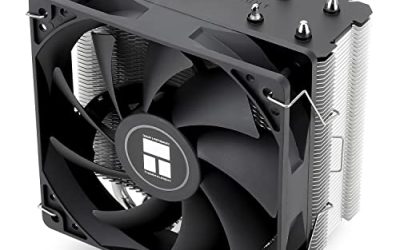
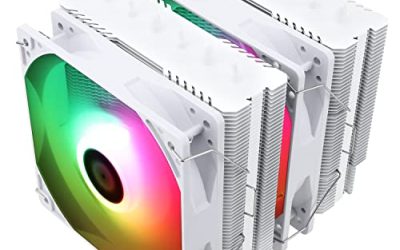
The Assassin X120 Refined SE offers four heat pipes, the TL-C12C PWM fan and an aluminum cover on the heatsink, using AGHP technology. It lists AM4, AM5 and Intel support, so it fits many boards. For a 65W part, it is a sensible mid-priced tower that does not oversize the solution.
- Strength: four heat pipes and a PWM fan in a single-tower shape.
- Strength: support for both AM4/AM5 and Intel keeps it flexible.
- Trade-off: a single tower still needs reasonable case height.
Skip it if you need a low-profile cooler or something for a very slim case.
LGA1151 Replacement Cooler with Backplate
This unbranded cooler is aimed at Intel LGA1151, 1150, 1155 and 1200 sockets and is described as a replacement for an Intel part, with a 4-pin PWM fan, a backplate and a stated 65W TDP. It is the practical choice when a stock cooler has failed.
- Strength: the 65W rating matches the processors it is meant to replace.
- Strength: a backplate and pre-applied material are mentioned in the listing.
- Trade-off: it is Intel only and offers no margin for heavier workloads.
Skip it if you use AMD, plan to upgrade to a hotter chip, or want strong noise performance.
SAMA A60B Dual Tower
The A60B is a dual-tower cooler with a 265W TDP rating, six heat pipes and two 120mm PWM fans. The title also lists 2200RPM and a metal top cover. On a 65W chip, the capacity means the fans can stay far below their limit.
- Strength: a 265W rating leaves large headroom for a 65W processor.
- Strength: dual PWM fans allow slow, quiet operation at low load.
- Trade-off: the dual-tower body is bulky and is overkill for the chip.
Skip it if your case is tight or you simply want the cheapest functional cooler.
DK-15 PWM Low-Profile
The DK-15 is a 57mm-tall air cooler for Intel LGA1200 and 115X sockets. It uses aluminum fins and a 4-pin 92mm PWM fan, which suits compact desktops and small business PCs.
- Strength: a 57mm height clears many compact cases.
- Strength: a 4-pin PWM fan can adjust speed with temperature.
- Trade-off: it supports Intel only and has less cooling mass than a tower.
Skip it if you use an AMD board or want to leave room for a later upgrade.
be quiet! Pure Rock Low Profile
The low-profile Pure Rock lists AMD and Intel support, a 100W TDP rating and three 6mm heat pipes in a compact design for small form factor systems. It offers more margin than a 65W-only slim cooler while still fitting tight chassis.
- Strength: AMD and Intel compatibility in one compact package.
- Strength: a 100W rating adds margin over a 65W chip.
- Trade-off: the compact body cannot match a full tower for sustained loads.
Skip it if your case has full tower clearance and you want maximum quiet.
Which One Fits Your Situation
A slim living-room PC
The Silverstone NT07-115X is the clear pick for its 23mm profile. If the case allows a little more room and you want AMD support, the Pure Rock Low Profile is the alternative.
A silent desktop for work
The be quiet! Pure Rock Pro 3 Black gives a 65W chip plenty of margin, so fans can stay slow. The SAMA A60B is a similar approach for buyers who want a dual-tower layout.
A cost-conscious new Ryzen or Core build
The Thermalright Assassin X120 Refined SE covers AM4, AM5 and Intel in a plain single tower. It gives a 65W processor enough surface area without the bulk of a double-tower, and the same cooler can follow the build through a later motherboard swap.
A compact box or a repair on an older Intel system
The be quiet! Pure Rock Low Profile balances size and margin with its 100W rating. A 65W chip sits well below that figure, so the small fan avoids spinning at full speed during warm months. For a straight swap on an older Intel board, the LGA1151 replacement cooler or the DK-15 handles the job without a major rebuild, as long as the socket matches.
Common Mistakes
- Buying a tall tower for a case with limited vertical clearance.
- Choosing a cooler rated exactly at 65W and expecting quiet operation.
- Ignoring the socket list on an older Intel or AMD board.
- Forgetting that some coolers need a backplate and checking whether it is included.
- Paying for lighting or large heat pipe counts on a low-power chip, when a plain PWM fan would do the same job with less noise from the extra hardware.
Related guides
- Sustainable Gaming Pc Power Supply Efficiency Guide
- Noctua Nh-D15 Vs Thermalright Peerless Assassin 120
- Thermal Paste Application Method For Lga1851
Frequently Asked Questions
Is a 65W cooler enough for a 65W CPU?
It will work, but the fan may run harder under sustained load. A cooler rated at 100W or more gives the same processor more margin and usually quieter operation.
Can I use the stock cooler instead?
Often yes, if it is intact. A replacement is useful when the original is missing, noisy or damaged, and the replacement options here match older Intel sockets.
Do low-profile coolers run loud?
Small fans spin faster to move the same air, so some noise is common. PWM control helps because the fan slows down when the processor is idle. Look for a fan curve option in the BIOS to flatten the ramp, which makes small coolers sound much calmer during short bursts of load.
Does a dual tower make sense for a 65W chip?
It is not required, but the spare capacity allows slow fan speeds. Choose one only if the case has enough room and quiet matters more than size.