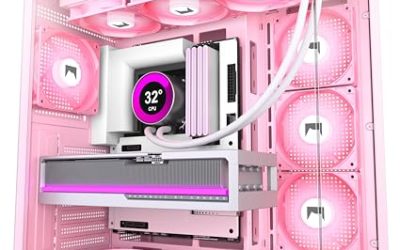
Creating the ultimate home office or media room is no longer just about choosing the right ergonomic chair or solid oak desk. Today, the quiet efficiency of your workstation plays a massive role in your daily comfort. When assembling a high-performance PC for remote work, creative editing, or gaming, managing heat is essential to keeping your workspace peaceful. This is where All-In-One (AIO) liquid cooling systems come into play.
For most homeowners and remote professionals, the technical specifications of computer hardware can feel incredibly overwhelming. The core dilemma often boils down to a fundamental material choice: a copper vs aluminum radiator for aio liquid cooling. This decision dictates more than just processor temperatures; it directly impacts the noise levels in your living room, the lifespan of your system, the weight of your setup, and how much you will spend upfront and over time. Let’s break down these two materials to help you decide which radiator type fits your home’s ecosystem.
As an Amazon Associate we earn from qualifying purchases at no extra cost to you.

Our Top Picks
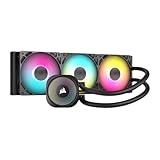
 ARCTIC Liquid Freezer III Pro 360 A-RGBLiquid Freezer III Pro 360 A-RGB15.7 x 4.7 x 2.9 Inches4.5 PoundsCheck on Amazon

Quick Verdict
For the vast majority of home offices and family spaces, an aluminum radiator is the practical winner. It is lightweight, highly affordable, and readily available in popular pre-assembled units. If you want a simple, budget-friendly setup that you can install and forget for several years, aluminum is the way to go. However, if you are building a permanent, ultra-quiet workstation where acoustic comfort is paramount, or if you plan to customize your loop over time, a copper radiator is the superior premium investment due to its unmatched thermal efficiency and resistance to corrosion.
Side by Side
To understand how these materials perform in a domestic environment, it helps to compare their core characteristics side by side. Here is how copper and aluminum radiators stack up against each other:
| Feature | Copper Radiators | Aluminum Radiators |
|---|---|---|
| Acoustic Comfort (Noise) | Excellent. Better heat dissipation allows fans to run at lower, quieter RPMs. | Good. Requires slightly higher fan speeds to dissipate the same amount of heat. |
| Durability & Corrosion | Highly resistant. Matches the copper blocks used in most coolers, preventing chemical wear. | Requires specialized anti-corrosive fluid additives to prevent galvanic corrosion. |
| Price Range | Budget-friendly. | |
| Maintenance Level | Low to Medium (often used in refillable or modular setups). | Virtually zero (completely sealed, disposable systems). |
| Space & Weight | Heavy (density of ~8.9 g/cm³). Can add substantial weight to a desk setup. | Lightweight (density of ~2.7 g/cm³). Easy to mount on delicate desks or cases. |
| Aesthetic Integration | Often features industrial, premium metallic finishes. | Typically painted matte black or white to match modern minimalist decor. |
| Resale Value | Moderate to High. Copper components retain value for custom builders. | Low. Sealed aluminum AIOs are generally replaced rather than resold. |
| Best For | Silent home studios, high-end workstations, and long-term custom desks. | Standard family PCs, budget home offices, and temporary rentals. |
| Average Lifespan | 6 to 10+ years (if modular and maintained). | 3 to 5 years (limited by liquid permeation in sealed loops). |
Where Copper Wins
When it comes to pure thermal physics, copper is the undisputed king. It boasts a thermal conductivity of approximately 401 W/m·K, which is nearly double that of aluminum (237 W/m·K). This physical property translates directly into real-world benefits for your home workspace.
First and foremost is acoustic comfort. Because copper transfers heat away from your processor much faster than aluminum, your cooling fans do not have to spin as fast to maintain safe temperatures. In a quiet study or a shared living room, the difference between a high-pitched fan whine and a gentle, imperceptible hum is massive. If you record podcasts, work in audio production, or simply value a serene home environment, a copper-based system is well worth the premium.
The second major advantage is chemical stability. Almost all liquid cooling water blocks—the part that actually touches your computer’s processor—are made of copper. When you pair a copper block with a copper radiator, you have a single-metal system. This completely eliminates the risk of galvanic corrosion, a natural chemical reaction that occurs when different metals are connected by a liquid. This makes copper systems inherently safer against long-term internal degradation, protecting your investment for many years.
Where Aluminum Radiator for Aio Liquid Cooling Wins
While copper dominates in performance, aluminum is the clear champion of practicality, affordability, and accessibility. The vast majority of standard consumer AIO liquid coolers on the market today rely on aluminum radiators. This material choice keeps manufacturing costs low, allowing top-tier brands to offer highly effective cooling solutions at prices that fit comfortably into a household budget.
For example, highly rated options like the ARCTIC Liquid Freezer III Pro 360 A-RGB or the CORSAIR Nautilus 360 RS ARGB Liquid CPU Cooler utilize aluminum radiators. These products deliver excellent cooling performance for everyday home tasks, schoolwork, and gaming without requiring you to spend hundreds of dollars on a custom copper loop.
Aluminum is also incredibly lightweight. With a density roughly one-third that of copper, an aluminum radiator puts significantly less physical stress on your computer case and your desk setup. If you mount your PC on a wall, place it on a delicate glass-top desk, or use a floating shelf, keeping the overall weight of the machine low is a major safety consideration. Additionally, because aluminum radiators are manufactured as completely sealed, factory-filled units, they require absolutely zero maintenance. There is no fluid to top off, no fittings to tighten, and no risk of user-error leaks ruining your hardwood floors or carpets.
Cost Over 5 Years
When choosing home furniture or appliances, smart buyers always look at the total cost of ownership rather than just the initial price tag. The same logic applies to PC cooling systems.
An aluminum AIO system is highly cost-effective upfront. Over a five-year period, these sealed systems require zero maintenance costs. However, because plastic tubes naturally allow microscopic amounts of water vapor to escape over time (a process called permeation), most sealed aluminum AIOs will need to be completely replaced around the four-to-five-year mark.
However, because these systems can be drained, flushed, and refilled with fresh coolant, they do not suffer from the same built-in expiration date as sealed aluminum units. Over five years, your only additional cost will be a bottle of specialized cooling fluid every two years. While the five-year total remains higher, the copper system will likely last far beyond that five-year window, making it a more sustainable, long-term purchase for a permanent home.
Which One for Your Home
Every household has its own unique dynamics, spatial constraints, and lifestyle needs. Here is how to decide which radiator material fits your specific living situation.
Small Apartment
In a compact apartment, space is at a premium and noise travels quickly through thin walls. If your desk is located in your bedroom or a shared living area, minimizing noise is crucial to keeping the peace with partners or roommates. A copper radiator system is ideal here because its superior thermal transfer allows your PC to run in near-silence, even during heavy workloads. Alternatively, a high-quality 360mm aluminum radiator can also keep noise low if you run the fans at a capped speed, offering a great budget compromise for tight spaces.
Family with Kids and Pets
If you have curious toddlers, playful cats, or energetic dogs running around, safety and simplicity are your top priorities. A sealed aluminum radiator AIO is the clear choice for this environment. Because these systems are factory-sealed and rigorously pressure-tested, there is virtually zero risk of liquid leaking onto your floors or creating electrical hazards. You can install the cooler inside a securely closed PC case and never have to worry about maintenance, refilling, or loose fittings that a child or pet could accidentally disturb.
Rental Home
Living in a rental property means you need to think about portability and ease of moving. Heavy computer towers are difficult to pack and are highly susceptible to damage during transit. The heavy weight of a copper radiator can put dangerous stress on your computer’s motherboard and mounting brackets when the PC is being moved in the back of a car or moving truck. A lightweight aluminum radiator makes your entire computer much easier to pack, carry, and transport without risking structural damage to your components or your rental property’s walls and floors.
Long-Term Home
If you own your home and are designing a dedicated, permanent home office that you plan to use for the next decade, prioritize durability and sustainability. Looking ahead to 2026 and beyond, home workspaces are becoming more integrated, refined, and permanent. Investing in a premium copper cooling system fits perfectly into this long-term mindset. It offers a longer overall lifespan, can be serviced and repaired rather than thrown into a landfill, and provides the quiet, premium performance that matches a high-end, custom-built home workspace.
FAQ
Is copper better than aluminum for liquid cooling?
Yes, from a purely thermal standpoint, copper is significantly better. It conducts heat almost twice as fast as aluminum, which allows your system to run cooler and quieter. However, aluminum is much lighter and far more affordable, making it the better choice for budget-conscious buyers.
Will an aluminum radiator corrode if paired with a copper block?
If you mix raw copper and raw aluminum in a liquid loop, galvanic corrosion will occur, rapidly destroying the metal. However, commercial AIO liquid coolers use specially formulated chemical inhibitors in their pre-filled coolant to prevent this reaction. As long as you do not open or alter a factory-sealed aluminum AIO, it is perfectly safe from corrosion.
Why are most commercial AIO coolers made of aluminum?
Manufacturers use aluminum because it is highly malleable, lightweight, and inexpensive to produce at scale. This allows brands to offer highly effective cooling solutions at price points that are accessible to everyday home users, rather than just hardcore PC enthusiasts.
How long do aluminum AIO coolers last?
On average, a high-quality aluminum AIO cooler will last between 3 to 5 years. Over time, tiny amounts of liquid permeate through the rubber tubing, slowly lowering the fluid level inside the sealed system until it can no longer cool effectively, at which point the entire unit must be replaced.