Most PC cases are built from steel, tempered glass and plastic, but a subset of premium chassis use aluminum panels or frames. The material affects weight, price, rigidity and even how the case feels day to day. If you are choosing between a heavy steel tower and a lighter aluminum one, it helps to know what each material actually gives you beyond the marketing.
As an Amazon Associate we earn from qualifying purchases at no extra cost to you.


Our Top Picks
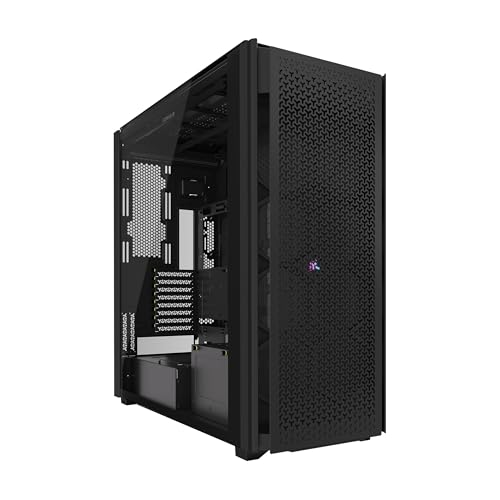
 CORSAIR 7000D Airflow Full-Tower ATX PC Case7000 Series21.65 x 9.76 x 23.62 inches41.23 poundsCheck on Amazon


Top 3 picks at a glance
How the Two Materials Compare
Steel is strong, cheap and heavy; aluminum is light, corrosion-resistant and expensive. Neither meaningfully changes your temperatures on its own, since airflow is dictated by panel design and fans, not the metal. The real trade-offs are practical rather than thermal.
| Property | Steel | Aluminum |
|---|---|---|
| Weight | Heavier | Roughly 30-40% lighter |
| Cost | Lower | Higher |
| Rigidity per thickness | Very stiff | Needs thicker panels |
| Corrosion resistance | Coated to resist | Naturally resistant |
| Feel | Solid, dense | Premium, light |
Where Each Material Wins
Steel for value and strength
Steel is the default for good reason. It is stiff even in thin sheets, so a steel case resists flexing under the weight of a heavy cooler or GPU, and it costs far less to manufacture. The downside is weight: a full-tower steel case can be genuinely heavy before you even add components, which matters if you move your PC to LAN events or clean behind your desk often.
Aluminum for weight and looks
Aluminum shines when portability and aesthetics matter. It is significantly lighter, does not rust, and takes a clean brushed or anodized finish that feels premium. The catches are cost and rigidity: aluminum is less stiff than steel, so panels must be thicker to feel solid, and the whole case commands a price premium. For most builders that premium is about the look and feel, not performance.
Does Material Affect Cooling?
Only marginally. The case metal is not a meaningful heatsink; your temperatures come from the fans, radiator support and how open the panels are. A mesh-front steel case will out-cool a solid-panel aluminum case every time. Choose the material for weight, budget and aesthetics, then judge cooling separately on airflow design.
Choosing Based on How You Use Your PC
Let your habits drive the decision rather than the spec sheet. If your PC lives permanently on or under a desk and rarely moves, steel’s weight is irrelevant and its lower price and rigidity make it the sensible default; you can put the savings toward better fans or a stronger cooler. If you carry your machine to LAN events, move it often for cleaning, or simply value a light, premium-feeling chassis on your desk, aluminum’s 30-40% weight reduction and clean anodized finish are worth the upcharge, provided you accept that it buys feel and portability rather than performance.
There is also a middle path many builders overlook: a steel-framed case with aluminum or brushed-finish front and top panels. These give much of the premium look at a fraction of a full-aluminum case’s cost, while keeping steel’s structural strength where it matters. Whatever you pick, remember to judge the two things separately. Material determines weight, price and feel; airflow determines temperatures. A mesh-front steel case will out-cool a solid-panel aluminum showpiece every single time, so decide the material on lifestyle and budget, then scrutinize the panel design and fan support for the cooling you actually need.
FAQ
Is an aluminum case worth the extra money?
Only if you value the reduced weight or the premium finish. Aluminum does not run cooler or perform better, so the upcharge is essentially for portability and looks. Builders on a budget lose nothing by choosing a well-designed steel case.
Are steel cases stronger than aluminum?
Per unit thickness, yes. Steel is stiffer, which is why steel cases can use thinner panels and still feel rigid. Aluminum cases compensate with thicker panels, so a good one can still feel very solid, just at a higher price and lower weight.
Bottom line
Steel gives you strength and value at the cost of weight, while aluminum gives you a light, premium chassis at a higher price. Since the material barely touches thermals, pick based on how much you care about portability, finish and budget, and judge the case’s cooling on its airflow design rather than what it is made of. A steel frame with brushed aluminum front and top panels is a smart compromise that captures most of the premium look for far less money.