Lapping is the practice of sanding the base of a cooler or the top of a CPU’s heat spreader flat and smooth with progressively finer grits, chasing better contact and lower temperatures. It was a popular enthusiast trick a decade ago, and it still surfaces in overclocking forums. For the vast majority of builders today it is not worth the risk, but there are narrow cases where it helps.
As an Amazon Associate we earn from qualifying purchases at no extra cost to you.

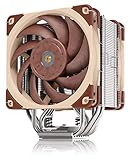
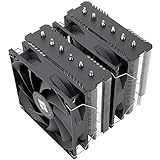
Our Top Picks
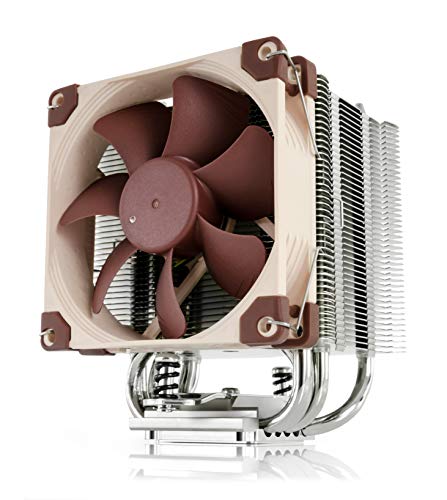
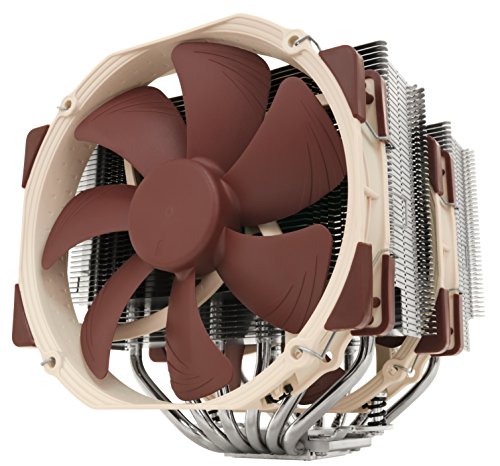

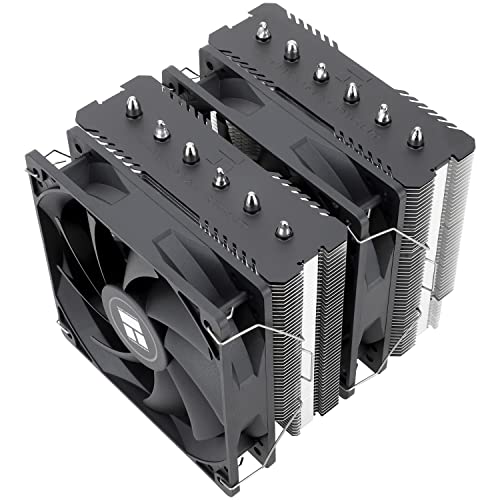
Top 3 picks at a glance
Why anyone laps in the first place
Cooler bases and CPU heat spreaders are not perfectly flat from the factory. Many are slightly convex or concave by a few hundredths of a millimeter. When two imperfect surfaces meet, tiny air gaps form that thermal paste has to fill, and paste conducts far worse than metal-to-metal contact. Lapping aims to make both surfaces truly flat so they touch across their whole area with a thinner paste layer.
What the payoff actually looks like
| Scenario | Typical temperature change from lapping | Risk level |
|---|---|---|
| Already-flat modern cooler | 0 to -2C | Not worth it |
| Visibly convex or rough base | -2 to -5C | Moderate |
| Deliberate concave base matched to convex IHS | Can worsen if lapped flat | High |
Notice the range. Best case you shave a few degrees; worst case you remove a base coating, void the warranty, or make contact worse because some coolers are intentionally concave to match a convex modern IHS.
The modern reality: contact frames beat lapping
On current Intel LGA 1700 and 1851 chips, the number one cause of poor contact is not surface roughness but socket bending that warps the IHS. The clean fix is a contact frame that replaces the stock retention mechanism and holds the chip flat, which is reversible, warranty-safe, and typically drops temperatures 3-7C. That solves the same problem lapping targets without sanding anything permanently.
Why lapping fell out of favor
Coolers got flatter, direct-contact heat-pipe bases became common, and contact frames and better paste arrived. The risk-to-reward flipped. You permanently alter a part, void warranties on both the cooler and often the CPU, and can easily introduce new non-flatness with hand sanding if you are not meticulous.
If you insist on trying it
Lap only a part you own outright and do not mind ruining, use a dead-flat surface like glass under the sandpaper, work through grits from around 400 up to 2000, keep even pressure, and check flatness with a straightedge and light. Never lap through the nickel plating unnecessarily, and never lap a delidded bare die. This is an experienced-hands-only exercise.
FAQ
Will lapping void my warranty?
Yes. Sanding a cooler base or a CPU heat spreader is visible, permanent physical modification, and both cooler and CPU makers treat it as grounds to reject a claim. Never lap a part still under warranty you might need to return.
Is lapping better than a contact frame on Intel?
No, for most people a contact frame is the better first move. It fixes the socket-bending that causes poor contact on LGA 1700 and 1851, delivers similar or larger gains, and is fully reversible. Try the frame before ever considering lapping.
The delidding alternative
Enthusiasts chasing lower temperatures often confuse lapping with delidding, but they solve different problems. Lapping flattens the outside surfaces; delidding removes the heat spreader entirely to replace the manufacturer’s internal thermal interface with liquid metal, which can drop temperatures far more, sometimes ten degrees or more on chips with poor factory paste. Both are risky and permanent, but delidding targets the bigger bottleneck on affected CPUs. For most people the sensible ladder is: quality paste and a good mount first, a contact frame on Intel next, and only then, if you truly enjoy the risk, consider delidding rather than lapping. Lapping sits awkwardly in the middle, offering small gains for real permanence, which is why it has largely been overtaken by these better-targeted options.
Bottom line
Lapping can shave a few degrees off a genuinely rough or convex surface, but modern coolers are flat enough that the gains are small and the permanent risk is real. On current Intel platforms a reversible contact frame solves the same problem better. Skip lapping unless you have an old, visibly imperfect cooler you own outright and enjoy the tinkering itself.