Plenty of cases offer a choice between a solid or tempered-glass top panel and a ventilated mesh one. If you plan to mount a radiator or exhaust fans up top, the panel above them has a real effect on how freely hot air escapes. A mesh top can meaningfully help a top-mounted radiator breathe, but whether it is worth it depends on your cooling layout.
As an Amazon Associate we earn from qualifying purchases at no extra cost to you.

What the Top Panel Does
Heat rises, so the top of the case is a natural exhaust point. If you mount a radiator or exhaust fans there, they need somewhere for the warm air to go. A solid or glass top forces that air out through gaps and side vents, while a mesh top lets it exit straight up with far less restriction.
| Top panel type | Exhaust restriction | Best for |
|---|---|---|
| Mesh/vented | Low | Top radiator or exhaust |
| Solid with side slots | Moderate | Mild exhaust, quieter |
| Tempered glass | High | Looks, no top cooling |
When a Mesh Top Is Worth It
Top-mounted radiators
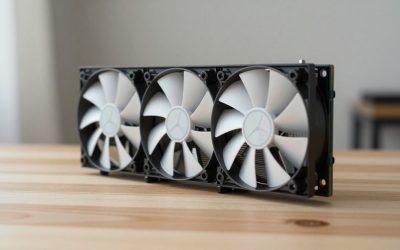
If you run a 240mm, 280mm or 360mm radiator in the top of the case, a mesh panel is genuinely worthwhile. It can lower radiator air temperatures by a few degrees and reduce the noise penalty of fans fighting a restrictive panel. Cooling loops shed heat best when the warm exhaust can leave the case immediately, and a restrictive top traps some of it inside.
Hot components
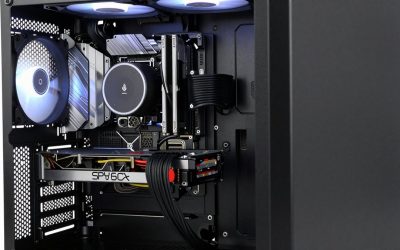
Builds with a power-hungry CPU and GPU generate a lot of heat that benefits from an easy top exit. A mesh top helps evacuate that heat rather than letting it recirculate, which supports lower overall temperatures across the system.
When It Matters Less
If your top panel has no fans or radiator, the benefit shrinks. A front-to-back airflow build with intake fans in front and a rear exhaust does not rely on the top for cooling, so a solid or glass top is fine and can even look cleaner and run slightly quieter. There is also a minor dust trade-off: an open mesh top can let dust settle in when the fans are off, though a magnetic filter on top solves that. For a quiet media PC with modest heat, the sealed top costs little.
Matching the Panel to Your Airflow Plan
The decision hinges entirely on what lives in the top of your case. If you mount a 240mm, 280mm or 360mm radiator, or even just exhaust fans up top, a mesh panel is clearly worth it: it lets the warm air leave straight up with little restriction, which can lower radiator air temperatures a few degrees and, just as importantly, reduce the noise of fans straining against a sealed panel. Hot air that escapes immediately cannot recirculate inside the case, so a mesh top supports lower temperatures across the whole system in a heat-heavy build with a power-hungry CPU and GPU.
If the top of your case is bare and you rely on a clean front-to-back path, with intake fans in front and a single rear exhaust, the top panel does little cooling work and a solid or tempered-glass top is perfectly fine. It can even look tidier and run marginally quieter. The only real trade-off with mesh is dust settling in through the openings when the fans are off, and a magnetic filter laid over the top vent solves that neatly, letting you keep the airflow benefit without the dust penalty. In short, buy the mesh top if you cool from the top, and do not pay the airflow-versus-looks tax if you do not.
FAQ
Does a solid top panel hurt a top-mounted radiator?
It can. A solid or glass top restricts the radiator’s exhaust path, which may raise coolant and component temperatures by a few degrees and make the fans work harder and louder. For any top-mounted radiator, a mesh or well-vented top is the better match.
Will a mesh top let in more dust?
Somewhat, especially when the fans are off and dust can settle in through the openings. A magnetic dust filter on the mesh top largely eliminates this, letting you keep the airflow benefit without a dust penalty.
Bottom line
A mesh top panel is worth it when you mount a radiator or exhaust fans up top, where it helps hot air escape and eases fan noise. If your top is bare and you rely on front-to-back airflow, a solid or glass top is perfectly fine. Match the panel to your cooling layout, and add a magnetic filter if you go mesh.