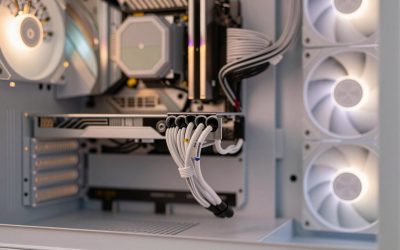
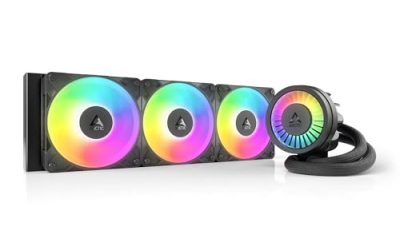
A gorgeous custom water-cooling loop can turn cloudy, slimy, or green within months if biological growth takes hold. Algae and biofilm not only look awful behind tempered glass, they clog fine radiator channels and micro-fin GPU blocks, reducing flow and cooling. Preventing growth is far easier than cleaning it out, and it comes down to coolant choice, cleanliness, and light control.
As an Amazon Associate we earn from qualifying purchases at no extra cost to you.


Why loops grow gunk
Water plus warmth plus a food source equals microbial growth. Custom loops provide all three: coolant sits at 30-45C, and any organic contamination (skin oils, dust, untreated additives, or dyes) feeds bacteria and algae. Light through a windowed case accelerates photosynthetic algae specifically. The result is biofilm, a slimy layer that coats tubing and blocks fine passages.
The three prevention pillars
Control the coolant chemistry, keep contamination out during the build, and limit light exposure. Miss any one and growth can start. Nail all three and a loop can run clear for a year or more between services.
| Measure | What it does | Notes |
|---|---|---|
| Biocide/inhibitor in coolant | Kills microbes, stops corrosion | Premix fluids include it |
| Clean build (gloves, flush) | Removes food sources | Flush radiators before use |
| Avoid clear dyes/organics | Removes nutrients | Opaque pastels can settle instead |
| Limit UV/light on loop | Slows algae | Matters with clear coolant |
| Change coolant 6-12 months | Resets chemistry | Sooner if cloudy |
Coolant strategy
Use a quality premix or add biocide
The simplest protection is a reputable premixed coolant that already contains biocides and corrosion inhibitors. If you run distilled water for clarity, you must add a corrosion inhibitor and biocide package, because plain distilled water offers no protection once contaminants enter. Never run tap water; its minerals and microbes are a recipe for growth and scale.
Be cautious with dyes
Clear colored dyes can precipitate and feed growth over time. Many builders prefer opaque pastel coolants or no dye at all for long-term reliability, accepting that pastels can settle in low-flow areas and need more frequent changes.
Build cleanliness and light
During assembly, flush every radiator with distilled water to remove manufacturing flux and debris, handle tubing with clean hands or gloves, and keep the loop sealed from dust. After the loop is running, reduce direct light on clear coolant, since algae needs light to bloom. A tidy, contaminant-free build starts clean and stays clean far longer.
Frequently asked questions
How often should I change custom loop coolant?
Every 6-12 months for most premix fluids, or sooner if you see cloudiness, tinting, or particles. Distilled-plus-additive loops often need attention closer to the 6-month mark.
What if growth has already started?
Drain the loop, disassemble, and flush components with warm distilled water; stubborn biofilm may need a diluted cleaning solution and soft brushing of reservoirs. Radiators with heavy buildup are the hardest to clean and may need repeated flushing.
Bottom line
Prevent algae and biofilm with a biocide-treated coolant, a scrupulously clean build, no tap water or risky organic dyes, and limited light on clear fluid. Combine those with a 6-12 month coolant change and your custom loop stays clear and flowing instead of turning into a science experiment.