Custom water cooling looks like plumbing, but it is also a slow chemistry experiment. Mix the wrong metals in one loop and galvanic corrosion can eat blocks and radiators from the inside within months. The fix is simple once you understand which metals fight and why coolant additives matter.
As an Amazon Associate we earn from qualifying purchases at no extra cost to you.

What galvanic corrosion is
When two different metals sit in a shared conductive liquid, they form a tiny battery. The more reactive metal, the anode, slowly dissolves while the less reactive one, the cathode, is protected. In a water loop the classic mismatch is aluminum paired with copper or brass. Aluminum is far more reactive, so it corrodes rapidly, shedding white residue that clogs fine radiator channels and block fins.
The aluminum-and-copper trap
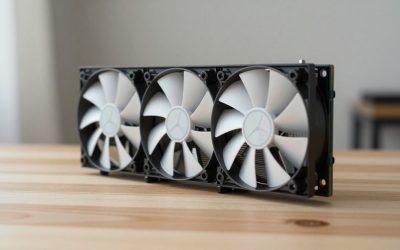
Most quality blocks, radiators, and fittings are copper, brass, or nickel-plated copper, which coexist happily. Trouble starts when a cheap aluminum radiator or an aluminum all-in-one component joins a copper loop. The aluminum becomes the sacrificial anode and pits quickly, and the corrosion products cloud the coolant and block flow.
| Metal pairing | Compatibility | Notes |
|---|---|---|
| Copper + brass | Good | Standard loop combo |
| Copper + nickel-plated copper | Good | Common, watch plating quality |
| Aluminum + copper | Bad | Rapid galvanic corrosion |
| All-aluminum loop | OK if isolated | Must stay all-aluminum, own coolant |
How to prevent it
Rule one is metal consistency: build a copper and brass loop and keep aluminum out of it entirely, or build an all-aluminum loop with matching coolant and never mix the two families. Rule two is to use a proper coolant with corrosion inhibitors rather than plain water. Premixed coolants and additive packages include anti-corrosion and anti-microbial agents that suppress the galvanic reaction and keep the fluid clear.
Maintenance that catches it early
Inspect the coolant every few months. Clear fluid and shiny blocks mean the loop is healthy. Cloudiness, a green or white haze, or flakes settling in the reservoir signal corrosion or biological growth, and you should drain, flush, and refill before the debris clogs a radiator. Replacing coolant every 6 to 12 months keeps the inhibitors fresh, since additives deplete over time.
FAQ
Can I use distilled water alone to avoid additives?
Distilled water is a fine base because it is non-conductive when pure and has no minerals to deposit, but on its own it lacks corrosion and biocide protection. Add a proper inhibitor package or use a premix so the loop stays protected as the water picks up ions over time.
Is a nickel-plated copper block safe with a copper radiator?
Yes, both are copper-based and compatible. Just buy quality plating, because cheap flaking nickel can expose the copper unevenly and, combined with poor coolant, contribute to spotting on the block surface.
What corrosion does to performance
Galvanic corrosion is not just cosmetic. The white or greenish residue it sheds is abrasive and clogs the fine channels inside radiators and the micro-fins in CPU blocks, exactly the places that do the cooling. As those passages narrow, flow rate drops and temperatures climb, so a loop that ran in the mid 60s C when new can drift into the 70s over a few fouled months. By the time you notice the temperature creep, the debris is already circulating.
Caught early, a full drain, flush, and refill with fresh inhibited coolant restores most of the loss, but a badly corroded aluminum component usually has to be replaced because the pitting is permanent. The cheapest insurance remains prevention: build in one metal family and never let a bargain aluminum radiator or fitting sneak into a copper loop, no matter how tempting the price.
How do I know if a radiator is aluminum or copper?
Check the specification sheet, which almost always lists the core material, and be suspicious of unusually cheap or very light radiators, as aluminum cores weigh noticeably less than copper. A magnet does not reliably distinguish them, so trust the listed material and buy from reputable water-cooling brands to avoid a hidden aluminum core.
Bottom line: keep your loop to one metal family, favor copper and brass, never drop aluminum into a copper loop, and run an inhibited coolant you refresh yearly. Do that and galvanic corrosion simply never starts.