Home ventilation, custom audio-visual cabinet cooling, smart hub enclosures, and desktop air circulation depend on reliable, whisper-quiet airflow. When evaluating high-performance fan motors, homeowners and equipment builders inevitably arrive at a technical crossroads: Fluid Dynamic Bearing (FDB) vs. Magnetic Levitation (MagLev). While both motor types vastly outperform traditional sleeve bearings and dual ball bearings in acoustic dampening and longevity, comparing a fluid dynamic bearing vs magnetic levitation fan motor lifespan reveals distinct mechanical trade-offs regarding friction wear, thermal tolerance, power efficiency, and long-term operating costs.
Understanding these motor architectures helps you make the right investment for your living space. FDB motors utilize a micro-thin layer of pressurized fluid to float the fan shaft, drastically reducing mechanical friction. MagLev motors take frictionless design a step further by using permanent electromagnetic fields to suspend the rotor in mid-air, virtually eliminating mechanical contact points during operation. Whether you are building an ultra-quiet home theater rack, ventilating an enclosed smart cabinet, or choosing decorative desktop circulation accents, selecting the right motor platform ensures optimal air turnover and zero annoying motor whine for years to come.
As an Amazon Associate we earn from qualifying purchases at no extra cost to you.


Our Top Picks
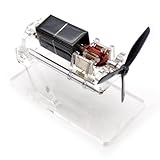
 Sunnytech Solar Magnetic Levitation Model Levitating Mendocino Motor130*76*75MM6.1 x 5.4 x 4.3 inchesCheck on Amazon
 Magnetic Levitation Solar Motor Double Layer Fan Mendocino175x105x100MM0 x 0 x 0 inchesCheck on Amazon

Top 3 picks at a glance
Quick Verdict
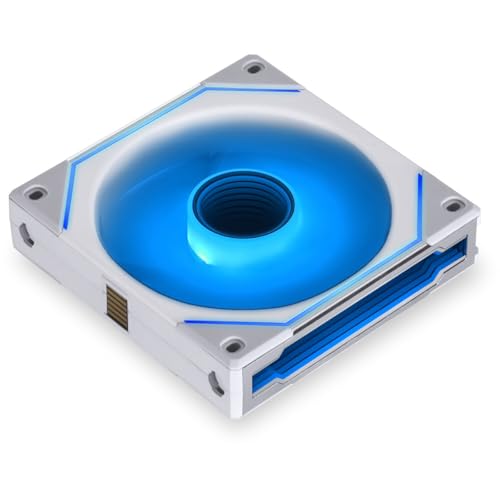
If your primary goal is maximizing lifespan per dollar, Fluid Dynamic Bearings (FDB) deliver the best practical value for home cooling. Delivering an impressive 100,000 to 150,000 hours of continuous operational life (roughly 11 to 17 years of 24/7 duty), FDB fans provide near-silent performance at a accessible price point. Popular options like the bulk multi-pack ARCTIC P12 Pro PST or the aesthetic-focused Lian Li UNI Fan SL Infinity Fluid Dynamic Bearing 120MM Case Fan showcase how accessible high-tier FDB technology has become.
However, if you require absolute peak longevity, extreme heat tolerance, or specialized continuous operation where failure is not an option, Magnetic Levitation (MagLev) fan motors take top honors. By removing rotational shaft contact through magnetic field suspension, MagLev systems achieve theoretical lifespans exceeding 150,000 to 200,000+ hours (over 20 years of continuous use). While standard MagLev cooling fans command a higher price tag—and unique solar magnetic levitation showpieces like the Sunnytech Solar Magnetic Levitation Model ST41 or the Magnetic Levitation Solar Motor Double Layer Fan illustrate the higher cost of magnetic motor engineering—they offer unmatched friction-free endurance.
Side by Side
| Feature | Fluid Dynamic Bearing (FDB) | Magnetic Levitation (MagLev) |
|---|---|---|
| Comfort & Noise | Ultra-quiet (18–24 dBA); fluid layer absorbs micro-vibrations smoothly. | Exceptionally quiet (15–22 dBA); zero shaft contact eliminates clicking. |
| Durability & Lifespan | 100,000 – 150,000 hours continuous operation (11–17 years). | 150,000 – 200,000+ hours continuous operation (17–23+ years). |
| Price Range | ||
| Maintenance | Zero maintenance; hermetically sealed fluid capsule prevents fluid loss. | Zero mechanical maintenance; magnetic repulsive fields never degrade physically. |
| Space Needed | Standard dimensions (120 x 120 x 25 mm; 140 x 140 x 25 mm); weighs 140–180g. | Standard frame profiles to custom dual-axis displays; weighs 160–350g. |
| Look & Design Integration | Sleek industrial frames, clean RGB lighting, standard modern home styling. | High-tech, premium aesthetic; often highlighted in open-concept levitating modules. |
| Resale & Value Retention | Moderate resale retention; widely available across residential market segments. | High resale retention; commands premium value in specialized audio/tech circles. |
| Best For | Budget-conscious home ventilation, AV cabinets, and general home cooling. | Enclosed high-heat server closets, 24/7 critical ventilation, and tech visual features. |
Where Fluid Dynamic Bearing Wins
When measuring the practical fluid dynamic bearing vs magnetic levitation fan motor lifespan, FDB architecture achieves the ideal sweet spot for modern residential applications. The core strength of a fluid dynamic bearing lies in its clever use of fluid pressure physics. Inside an FDB housing, herringbone-patterned internal channels force high-grade synthetic oil into a microscopic high-pressure barrier between the spinning shaft and sleeve. Because the moving parts swim on this liquid film, physical wear is dramatically reduced compared to traditional sleeve or ball bearings.
FDB motors excel in acoustic dampening. The internal fluid capsule acts as a natural shock absorber, suppressing micro-vibrations that cause annoying low-frequency hums inside furniture cabinets or living room AV centers. Operating at standard power levels (drawing approximately 1.2W to 2.4W for a standard 120 mm unit), FDB fans run reliably in any mounting orientation—horizontal, vertical, or angled—without experiencing the premature fluid drainage that plagues cheaper sleeve bearings.
Affordability is another area where FDB shines. You can outfit an entire media console, network rack, or home ventilation layout at a fraction of the cost of magnetic levitation hardware. Multipacks like the ARCTIC P12 Pro PST deliver five high-performance 120 mm fluid dynamic bearing units, offering incredible longevity per dollar. Meanwhile, visual options like the Lian Li UNI Fan SL Infinity Fluid Dynamic Bearing 120MM Case Fan pair high-grade fluid bearing mechanics with high-end aesthetic designs for living space applications where hardware remains visible.
Where Magnetic Levitation Fan Motor Lifespan Wins
Magnetic levitation motor technology represents the pinnacle of friction-free mechanical design. By incorporating permanent magnetic fields or active electromagnetic arrays, a MagLev motor repels the rotor hub away from the stator walls. When powered, the entire fan spindle floats in mid-air. Because there is virtually zero physical contact between moving metal components during operation, mechanical friction and surface wear drop to nearly zero.
This physical isolation gives MagLev fan motors a decisive edge in extreme environments and continuous continuous-duty operations. FDB units, while remarkably durable, rely on liquid lubricants that can slowly evaporate or thicken over 12 to 15 years of exposure to ambient temperatures above 50°C (122°F). MagLev motors are immune to lubricant thermal degradation because they do not rely on a high-pressure oil film to maintain separation. Consequently, a MagLev fan motor easily exceeds 150,000 to 200,000 hours of active service, maintaining consistent acoustic levels throughout its multi-decade lifespan.
Furthermore, MagLev fans eliminate the micro-instabilities that occur during cold motor start-ups. In specialized applications, this technology allows for fascinating open-air mechanical designs. For instance, creative accent pieces and educational models like the Sunnytech Solar Magnetic Levitation Model ST41 and the Magnetic Levitation Solar Motor Double Layer Fan demonstrate the frictionless efficiency of levitating magnetic shafts, which can spin at 300 to 1500 RPM driven purely by low-wattage ambient light inputs.
Cost Over 5 Years
Looking forward into 2026, smart home automation hubs, whole-house air filtration units, and dedicated media centers require continuous multi-year thermal control. Evaluating total ownership costs over a 5-year operational window reveals how FDB and MagLev options compare financially.
While MagLev saves a small fraction of energy due to frictionless rotation, the lower initial purchase price of FDB fans makes them the overall cost winner for standard 5-to-10-year home deployment spans.
Which One for Your Home
Small Apartment
In a small apartment or condo where space is limited and ambient noise carries easily, fluid dynamic bearing fans are ideal. A multi-pack like the ARCTIC P12 Pro PST provides quiet 120 mm air circulation for small media cabinets, closet server setups, or air freshening units without ballooning your budget.
Family with Kids and Pets
Homes with high pet dander, dust, and continuous foot traffic benefit from FDB or entry-level MagLev fans featuring hermetically sealed motor housings. FDB fans handle variable household temperatures smoothly, while sleek units like the Lian Li UNI Fan SL Infinity keep cable management clean and out of reach of curious fingers.
Rental Property
For rental properties, low upfront cost and zero maintenance are top priorities. Fluid Dynamic Bearing options win easily here; they deliver up to 15 years of zero-maintenance operation for property managers ventilating equipment cubbies, bathroom utility runs, or home theater nooks without high initial capital outlays.
Long-Term Home
If you own your home and are building custom built-in cabinetry, an enclosed AV closet, or a permanent smart hub that you want to operate without touch-ups for 15 to 20+ years, investing in Magnetic Levitation motor technology is a smart choice. The extended magnetic levitation fan motor lifespan guarantees worry-free operation and ultra-low noise degradation for decades.
FAQ
Do fluid dynamic bearing fans leak oil over time?
Modern residential FDB fans feature hermetically sealed fluid capsules with chevron-patterned internal channels. The fluid pressure generated during rotation naturally pushes the synthetic lubricant back toward the center of the bearing chamber, preventing oil leakage regardless of whether the fan is mounted horizontally, vertically, or upside down.
How does dust affect magnetic levitation fan lifespan compared to FDB?
Dust primarily affects fan blade balance and airflow rather than the internal motor mechanism in both designs. However, because MagLev motors rely on magnetic fields rather than tightly fitted fluid channels, minor dust intrusion into the housing is less likely to degrade the motor’s core rotational mechanics over a 15-year period.
Can I mount FDB and MagLev fans in any orientation?
Yes. Unlike traditional sleeve bearings—which experience rapid lubricant failure and noisy spindle wobble when mounted horizontally—both FDB and MagLev motors operate perfectly in horizontal, vertical, or ceiling-mount orientations without sacrificing operational lifespan or increasing noise output.
Is the price premium for a magnetic levitation fan motor lifespan worth it for basic home use?
For general home ventilation, desktop air circulation, and standard AV cabinet cooling, a quality Fluid Dynamic Bearing fan offers more than enough lifespan (100,000+ hours) at a lower cost. MagLev technology is best reserved for high-temperature server enclosures, hard-to-reach built-in installations, or specialized visual/educational accent displays.