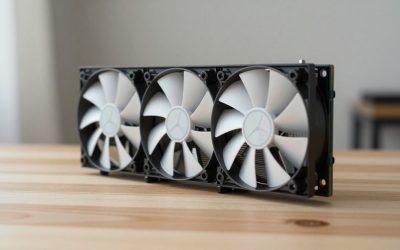
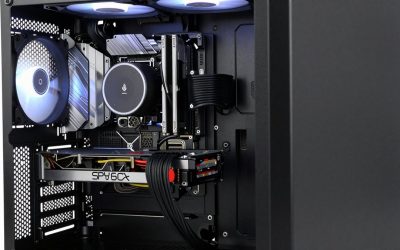
You have a couple of great fans from an old build, a bundle that came with your case, and maybe a pair you bought on sale. Can they all live together in one system, or do fans need to match? The mechanical answer is almost always yes, but the RGB and control side is where mixing brands can get messy. Here is what actually matters.
As an Amazon Associate we earn from qualifying purchases at no extra cost to you.

Our Top Picks

The mechanical side: mix freely
Any standard fan with a 3-pin or 4-pin motor connector plugs into any standard motherboard fan header, regardless of brand. A Noctua, an Arctic, and a case-bundled fan will all spin happily side by side. Airflow is airflow; the case does not care who made the blade. You can absolutely mix brands, sizes, and models for cooling with no compatibility problem at all. The only thing to watch is connector type, and even 3-pin fans work in 4-pin headers, just without PWM speed control.
| Aspect | Mixing brands? | Notes |
|---|---|---|
| Airflow / cooling | No problem | Universal fit |
| Power connector | No problem | 3-pin/4-pin interchangeable |
| PWM speed control | Fine | Each header controls its fans |
| ARGB lighting | Tricky | Sync/software can clash |
| Matched aesthetics | Your call | Colors and blades differ |
Where mixing gets tricky: RGB
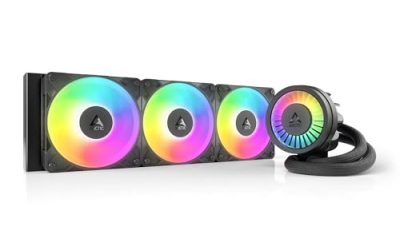
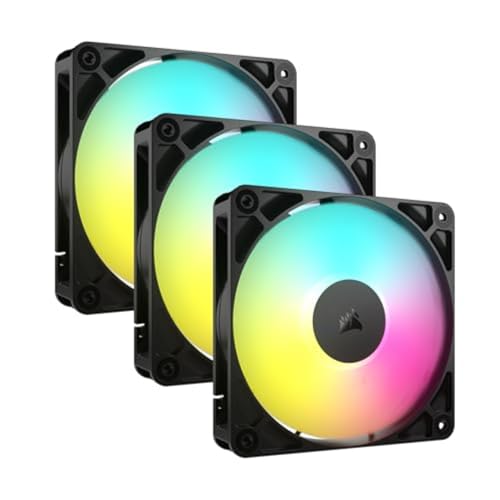
Lighting is the real catch. Addressable RGB fans use proprietary ecosystems, and one brand’s fans may not sync cleanly with another brand’s controller or software. Two different lighting apps fighting for control can cause flicker or leave one set of fans stuck on a default color. If unified lighting effects matter to you, keeping all your ARGB fans in one brand’s ecosystem, or on one universal controller, is the path of least resistance. Plain non-RGB fans have none of these headaches.
Noise and speed character
Different fans have different noise signatures and speed curves. Mixing a quiet, low-RPM fan with a screaming high-static-pressure model on the same header means one may drone while the other whines. This is cosmetic, not harmful, but for a quiet build it helps to group similar fans together and tune each header’s curve to suit them.
A practical approach
Use whatever quiet, well-reviewed fans you have for cooling and do not worry about brand. Match static-pressure fans to radiators and airflow fans to open intakes. If you want synchronized lighting, standardize the ARGB fans; if you do not care about RGB, mix to your heart’s content. Group similar fans on shared headers so their fan curves make sense.
FAQ
Do mixed-brand fans need the same RPM to work together?
No. Each fan runs at its own speed based on its header’s curve. Different maximum RPMs coexist fine; you simply tune each header. Matching RPM only matters for a uniform noise profile, not function.
Will mixing fan brands void anything or cause errors?
No warranties or errors come from mixing airflow fans. The only real friction is RGB software from different brands competing, which you solve by using one lighting ecosystem or a universal controller.
Bottom line
Mixing different brand case fans is completely fine for cooling; any standard fan fits any standard header. The only real complication is addressable RGB, where separate brand ecosystems can refuse to sync, so standardize your lighting if unified effects matter. Otherwise, use the best fans you have, match them to their job, and let brand be the least of your concerns.