The best motorcycle helmets are the ones that match your head shape, riding environment, and local certification requirements: the Shoei RF-1400 and AGV K6 S suit sport-touring riders, the HJC RPHA 71 is a strong all-rounder, the Schuberth C5 is the better long-distance modular choice, and a properly fitted full-face helmet is the safest starting point for most riders.
As an Amazon Associate we earn from qualifying purchases at no extra cost to you.
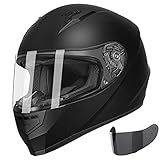

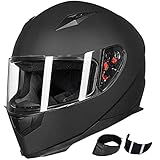
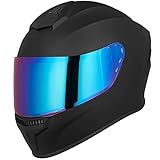
Our Top Picks
 GLX GX11 Compact Full Face Motorcycle Helmet w/Medium13.8 x 10.2 x 10.2 inches3.1 PoundsCheck on Amazon
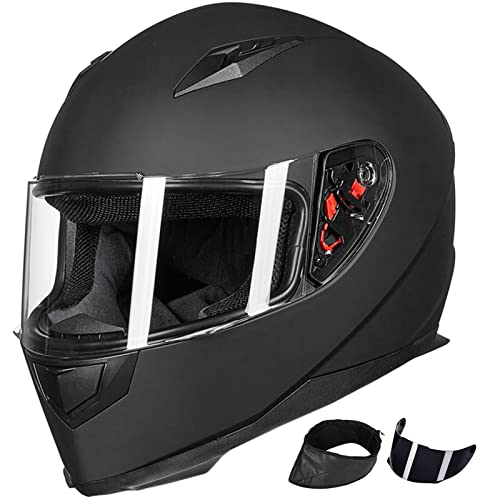 ILM Full Face Motorcycle Helmets for Adult MenLarge13.78 x 10.24 x 10.24 Inches2.98 PoundsCheck on Amazon


Top 3 picks at a glance
Quick comparison: which helmet fits your riding?
| Rider or use case | Best helmet type | Models to consider | Why it fits |
|---|---|---|---|
| Daily commuting and mixed roads | Full-face sport-touring | HJC RPHA 71, Shoei RF-1400 | Good coverage, practical ventilation, stable highway aerodynamics |
| Fast road riding | Sport full-face | AGV K6 S, Shoei RF-1400 | Low weight, secure fit, wide field of view, strong visor systems |
| Long-distance touring | Premium full-face or modular | Schuberth C5, Shoei Neotec 3 | Integrated sun visor options, touring comfort, communication-system compatibility |
| Adventure and dual-sport riding | Adventure full-face | ECE-certified adventure helmet by spec class | More vertical vision, peak compatibility, removable or washable interiors |
| Urban riding at lower speeds | Full-face or approved modular | ECE-certified full-face or modular model | Better protection than an open-face helmet while retaining convenience |
Certification should come before features
Certification is a minimum safety filter, not a ranking system. In Europe and many other markets, look for ECE 22.06, the current motorcycle-helmet standard with more demanding testing than the older ECE 22.05 standard. In the United States, DOT compliance is required for road use, while Snell certification is an additional voluntary standard used by some manufacturers and riders.
A helmet can carry more than one approval. For example, a model may be sold as DOT-certified in the United States and ECE 22.06-certified in another market. Check the label inside the helmet and the requirements where you ride rather than assuming that an overseas version has the same approval.
Modular helmets require extra attention. A flip-front helmet may be certified for use with the chin bar closed, or it may have a separate approval for riding with the chin bar open. The label and manual specify the permitted configuration. Never assume that an open position has the same protection as a locked full-face position.
Full-face versus modular, adventure, and open-face helmets
Full-face helmets
For the broadest protection, choose a full-face design with a fixed chin bar. It covers the jaw, cheeks, back of the head, and crown while usually offering the best combination of weight, rigidity, weather sealing, and noise control. The Shoei RF-1400, AGV K6 S, HJC RPHA 71, and Arai Regent-X are examples of this category.
Sport-oriented full-face helmets often have a more tucked riding position, while sport-touring models provide a little more upright comfort. A racing helmet can be an awkward choice for commuting because its aggressive ventilation and aerodynamic shape may work best at speed.
Modular helmets
Modular helmets are convenient for touring, fuel stops, glasses, and conversation. The trade-offs are additional hinge and latch hardware, greater weight, and often more wind noise than an equivalent fixed full-face helmet. The Schuberth C5 and Shoei Neotec 3 are premium examples of the category.
Choose a modular helmet if convenience is important and you accept the extra mass. If maximum lightness and simple construction matter more, choose a full-face helmet instead.
Adventure helmets
Adventure helmets combine a full-face chin bar with a larger eye port, a peak, and room for goggles or off-road glasses. The peak can shade the sun and help on dirt roads, but it may create lift or turbulence at highway speeds. A removable peak and adjustable vents make an adventure helmet more versatile; a fixed sport-touring visor usually makes more sense for mostly paved riding.
Open-face and half helmets
Open-face helmets improve airflow and visibility but leave the chin and face exposed. Half helmets leave even more of the head unprotected. If your priority is impact coverage rather than minimum size or maximum airflow, a full-face helmet is the safer default.
Fit is more important than brand
Measure your head with a soft tape placed horizontally around the largest circumference, usually about 2.5 cm above the eyebrows and over the ears. Use the manufacturer’s size chart, but treat the measurement as a starting point because helmet shapes differ.
After putting on a helmet, fasten the chin strap and perform these checks:
- The cheek pads should press firmly without causing sharp pressure or numbness.
- The helmet should not rotate independently when you move your head.
- Pull the rear edge upward and the chin bar downward; your skin should move with the liner.
- Keep the helmet on for at least 15 minutes. Pressure at one small spot usually indicates a shape mismatch, not a size problem.
- Your eyes should sit naturally in the eye port, and your field of view should not be blocked by the shell or brow.
A useful decision rule is this: if the helmet is loose everywhere, try a smaller size; if it is firm everywhere but creates one painful hotspot, try a different internal shape or model. Do not solve a hotspot by buying a loose helmet.
Ventilation, noise, visibility, and weight
Ventilation
Look for a controllable chin vent, forehead or crown vents, and rear exhaust ports. Front vents that can be closed are more useful for changing weather than permanently open racing vents. Ventilation performance depends heavily on riding position: a vent may work well when tucked behind a screen but less effectively on an upright naked bike.
Noise control
No helmet is reliably quiet on every motorcycle. Screen turbulence, riding speed, jacket collar, ear shape, and fit can change perceived noise more than a marketing decibel claim. A close-fitting neck roll, smooth visor seal, and stable shell can reduce buffeting, but wear properly fitted earplugs on every ride. Active noise-canceling earbuds are not a substitute for hearing protection and may interfere with awareness of traffic.
Visibility
A wide eye port helps with lane checks and cornering, while a pinlock-ready visor reduces fogging in cool or wet conditions. A clear visor is the safest primary choice for night riding. Use a certified internal sun visor or a legal tinted visor for daytime glare, and check whether the sun visor leaves enough coverage at the nose and cheeks.
Weight
Published weight is usually measured in one shell size and one helmet size, so it is not perfectly comparable. Modular mechanisms and internal sun visors add mass. A lighter helmet can reduce neck fatigue, but a secure, comfortable fit matters more than a small difference on the scale. Do not remove liners, vents, or hardware to reduce weight.
Specific model and spec-class recommendations
Shoei RF-1400: premium sport-touring full-face
The RF-1400 is a strong choice for riders who want a refined fixed full-face helmet for commuting, touring, and spirited road riding. Its appeal is the combination of aerodynamic stability, removable interior, visor sealing, and broad accessory support.
AGV K6 S: lightweight road helmet
The K6 S targets riders who value low weight and a relatively wide field of view without moving to a race-only design. It is a good match for sport-touring and everyday road use. Check the exact regional approval label and supplied visor before purchase, because market specifications can differ.
HJC RPHA 71: balanced everyday option
The RPHA 71 is designed as a road-focused sport-touring helmet, making it a sensible middle ground between aggressive race models and heavy touring modulars.
Schuberth C5 or Shoei Neotec 3: touring modulars
These helmets suit riders who spend hours on the highway and value a flip-front mechanism, integrated sun visor, and communication-system preparation. They are heavier and more mechanically complex than fixed full-face helmets, but the convenience can outweigh those drawbacks for touring.
A simple buying process
- Start with the certification required in your country and reject models that do not meet it.
- Measure your head and identify whether you need a round, intermediate-oval, or long-oval internal shape.
- Choose the category based on your riding: fixed full-face for maximum simplicity, modular for touring convenience, or adventure for mixed pavement and dirt.
- Check visor replacement availability, anti-fog compatibility, spare cheek pads, and communication-system clearance.
- Try the helmet for at least 15 minutes with your normal glasses, balaclava, or earplugs.
- Replace a helmet after a significant impact, even when the shell looks undamaged, and follow the manufacturer’s replacement guidance for aging liners and materials.
Frequently asked questions
How should I check whether a helmet is the right size?
A helmet is the right size when it fits firmly without sharp pressure, numbness, or a painful hotspot. Fasten the chin strap, check that it does not rotate independently, and confirm that your skin moves with the liner when you pull the shell. Keep it on for at least 15 minutes and use the manufacturer’s size chart as a starting point.
Can I use a tinted visor for riding at night?
A clear visor is the safest primary choice for night riding. For daytime glare, use a certified internal sun visor or a legal tinted visor, but check local requirements before riding. An internal sun visor should also provide enough coverage around the nose and cheeks. Supplied visor specifications can differ between markets, so check the exact version before purchase.
What should I check before buying a helmet from another market?
Check the approval label inside the helmet and compare it with the requirements where you ride. A model may be sold as DOT-certified in the United States and ECE 22.06-certified in another market, but an overseas version may not have the same approval. Also confirm the supplied visor and exact regional specifications before purchase.
Is it acceptable to ride with a modular helmet’s chin bar open?
Ride with a modular helmet’s chin bar open only when its label and manual permit that configuration. Some flip-front helmets are certified only with the chin bar closed, while others have a separate approval for open riding. Never assume that the open position provides the same protection as the locked full-face position.
How can I reduce motorcycle-helmet noise?
You can reduce perceived helmet noise with a close-fitting neck roll, a smooth visor seal, and a stable shell, although no helmet is reliably quiet on every motorcycle. Screen turbulence, speed, jacket collar, ear shape, and fit also matter. Wear properly fitted earplugs on every ride; active noise-canceling earbuds are not a substitute for hearing protection.
Bottom line
For most riders, the best motorcycle helmets are certified full-face models that fit securely and remain comfortable for the entire ride. Choose the Shoei RF-1400 or AGV K6 S for premium fixed-helmet performance, the HJC RPHA 71 for a versatile sport-touring balance, or the Schuberth C5 and Shoei Neotec 3 when modular touring convenience matters more than minimum weight. Certification, fit, and consistent use matter more than graphics, price, or a long feature list.