Our Top Picks
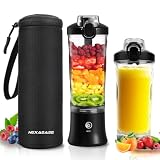
 Portable Blender Personal Juicer for Shakes Smoothies with20 oz3.54 x 3.54 x 11.26 inches1.87 poundsCheck on Amazon


Top 3 picks at a glance
Best Blenders for Protein Shakes
The best blender for protein shakes depends on what you blend: choose a cordless shaker-style blender for a single scoop and easy portability, a compact personal blender for frozen fruit and occasional ice, or a full-size blender for thick ingredients and multiple servings. For most people who regularly add ice, nut butter, or frozen fruit, a personal blender with at least 700 watts is the most useful middle ground.
Quick comparison
| Blender | Type and capacity | Best for | Practical trade-off |
|---|---|---|---|
| Promixx Pursuit | Portable, about 15 oz | Powder, milk, and simple shakes away from home | Not a substitute for a countertop blender when crushing ice or blending thick mixtures |
| Ninja Blast Max | Cordless personal blender, about 22 oz | Portable shakes with some frozen ingredients | Less suited to repeated heavy batches than a plug-in blender |
| Ninja Nutri-Blender Pro BN401 | Personal blender, 24 oz cups, 1,000 peak watts | Daily single-serve shakes with frozen fruit or ice | Small cup capacity; blade assembly needs careful rinsing |
| NutriBullet Pro 900 | Personal blender, 32 oz cup, 900 watts | Protein shakes and moderate amounts of frozen fruit | Can struggle with very thick blends if there is too little liquid |
| Vitamix Explorian E310 | Full-size blender, 48 oz container, 2 peak horsepower | Thick shakes, larger batches, and frequent ice blending | More expensive, bulky, and louder than a compact personal blender |
Capacities and power figures are manufacturer-stated; peak watts and horsepower are not directly comparable measures of blending performance. Prices vary by model, retailer, and promotions.
As an Amazon Associate we earn from qualifying purchases at no extra cost to you.


Which type should you buy?
| Your usual shake | Best fit | Why |
|---|---|---|
| Protein powder and liquid, no ice | Portable blender or shaker bottle | Powder mixes easily without the power, noise, or cleanup of a countertop machine. |
| One serving with frozen berries or a few ice cubes | Plug-in personal blender, around 900–1,000 peak watts | More consistent blade speed and power for frozen ingredients than most cordless models. |
| Thick shake with banana, oats, or nut butter | Personal blender with enough cup space, or a full-size blender | Thick mixtures need room to circulate; extra power alone will not fix a packed, dry cup. |
| Several servings or frequent ice-heavy recipes | Full-size blender | A larger container and sturdier motor are better suited to repeated or larger batches. |
Best choices by blending job
Promixx Pursuit: simplest for powder and liquid
A portable blender is convenient when the main job is combining protein powder with water, milk, or a thin milk alternative. The Promixx Pursuit is designed for that on-the-go use, where a compact cup and rechargeable battery matter more than crushing power. It is the lightest-cleanup option in this group, but do not expect it to turn a handful of hard ice or a dense scoop of nut butter into a reliably smooth shake. For those ingredients, choose a plug-in model.
Ninja Blast Max: portable, with more room for a shake
The Ninja Blast Max offers a larger, roughly 22-ounce portable format than many small travel blenders. It makes sense if you want to blend and carry a shake without finding an outlet. Cordless performance is still a compromise: battery condition, ingredient temperature, and load affect results, and repeated ice-heavy batches are a harder job than a simple powder shake. Add liquid first and keep frozen ingredients modest.
Ninja Nutri-Blender Pro BN401: a capable everyday personal blender
With 1,000 peak watts and 24-ounce cups, the BN401 is a strong fit for one serving containing protein powder, fruit, and a small amount of ice. A personal cup keeps portions convenient, and the motor provides more headroom for frozen ingredients than a basic travel blender. Its limitation is batch size: a full cup of thick ingredients can be difficult to circulate, so leave room and add liquid rather than filling it to the rim.
NutriBullet Pro 900: practical for routine single servings
The NutriBullet Pro 900 combines a 900-watt motor with a larger, 32-ounce cup. That capacity is useful if you prefer a generous shake or want space for add-ins. It handles typical protein-and-fruit recipes, but thick blends still depend on liquid and loading order. If you routinely blend hard ice, frozen fruit, oats, and nut butter together, a more powerful personal model or full-size blender offers more margin.
Vitamix Explorian E310: best suited to thick mixtures and larger batches
The E310 is the most versatile option here for dense recipes, frequent ice use, or making more than one shake at a time. Its 48-ounce container and variable-speed control give ingredients room to move and let you slow the blend if liquid splashes upward. The trade-offs are cost, counter space, and noise. A full-size blender is unnecessary for a scoop of powder and water, but it is easier to recommend when shakes overlap with smoothies, frozen desserts, or family-sized batches.
What makes a shake smooth?
Motor power helps, but it is not the only factor. Blade design, container shape, fill level, and ingredient order determine whether the blades can pull food into a consistent circulation. A powerful motor can still leave dry clumps if powder is trapped under frozen fruit or a thick mixture is packed too tightly. For protein powder alone, even a modest blender usually has enough power; ice and dense add-ins are the real test.
A reliable loading order
- Pour in the liquid first. This gives the blades something to circulate and helps prevent powder from sticking to the bottom.
- Add protein powder next. Keep it away from the blade assembly where possible, especially in personal cups that are inverted onto the base.
- Add soft ingredients, then frozen fruit or ice. The liquid and softer ingredients help draw the harder pieces down rather than letting them sit above the blades.
- Blend in short bursts if the mixture stalls. Stop, shake the cup or stir the contents, and add a splash of liquid before trying again. Do not keep running a stalled motor.
For a typical 16–20-ounce shake, start with about 10–12 ounces of liquid and increase it if adding oats, nut butter, or a large portion of frozen fruit. This is a starting point, not a fixed recipe: powders vary, and some thicken significantly after standing.
Cleanup, noise, and ice: the everyday trade-offs
Cleanup: Portable and personal blenders are easy to rinse immediately after use, but their blade assemblies can trap sticky protein residue. Rinse the cup and blade unit promptly; for a deeper clean, blend warm water with a small drop of dish soap, then rinse. Follow the manufacturer’s instructions before immersing or placing any part in a dishwasher.
Noise: A blender crushing ice or frozen fruit will be louder than one mixing powder into milk. Personal and full-size countertop blenders can produce a short, sharp burst of noise; cordless models may sound quieter partly because they are doing lighter work. If noise matters, blend a thin shake without ice and use chilled liquid instead.
Ice handling: Check whether a model is intended to crush ice; don’t assume a travel blender can do it just because its blades spin. Use a few small cubes rather than a cupful, and add liquid first. For frequent ice-based shakes, a plug-in personal blender with a stated ice-crushing capability—or a full-size model—is the safer choice.
Thick ingredients: Nut butter, oats, chia seeds, and frozen bananas increase resistance. A wider container and enough liquid can matter more than a modest difference in advertised wattage. If you want a spoon-thick shake, choose a model with a tamper or a container designed for thick blends, rather than forcing a compact travel blender to handle a near-solid mixture.
Frequently asked questions
Can a portable blender crush ice for a protein shake?
A portable blender is generally better suited to powder and liquid than to frequent ice-heavy recipes. The Promixx Pursuit is not a substitute for a countertop blender when crushing ice, and the Ninja Blast Max is less suited to repeated heavy batches. For ice, use a plug-in personal blender with stated ice-crushing capability or a full-size blender.
How much liquid should I use in a protein shake?
Start with about 10–12 ounces of liquid for a typical 16–20-ounce shake. Add more if you include oats, nut butter, or a large portion of frozen fruit. Liquid should go into the container first because it helps the blades circulate ingredients and reduces the chance of powder sticking to the bottom.
Can these blenders handle nut butter and oats?
They can handle nut butter and oats more reliably when there is enough liquid and room for ingredients to circulate. Thick mixtures may challenge compact cups, especially when combined with ice or frozen fruit. For frequent thick recipes, choose a personal or full-size blender rather than forcing a portable blender to process a near-solid mixture.
What should I do if my shake stalls while blending?
Stop the blender if the mixture stalls rather than continuing to run the motor. Shake the cup or stir the contents, then add a splash of liquid before trying again. A packed cup, too little liquid, or dense ingredients such as frozen banana, oats, chia seeds, and nut butter can increase resistance.
Are advertised watts a reliable way to compare these blenders?
Advertised watts and horsepower are not directly comparable measures of blending performance. Motor power helps, but blade design, container shape, fill level, and ingredient order also affect results. A wider container and enough liquid can matter more than a modest difference in advertised wattage, particularly for thick mixtures.
Bottom line
Choose the Promixx Pursuit for simple, portable powder shakes; the Ninja Blast Max if cordless convenience and a larger travel cup matter; or the Ninja Nutri-Blender Pro BN401 for regular single-serving shakes with frozen fruit. The NutriBullet Pro 900 offers extra cup capacity for everyday blends. For thick recipes, frequent ice, or multiple portions, the Vitamix Explorian E310 is the more capable choice. Match the blender to your toughest regular recipe—not just your easiest shake—and you are less likely to pay for power you never use or end up with a machine that stalls on your favorite ingredients.