A clear side panel shows off your build, but the two materials used, acrylic and tempered glass, feel and age very differently. One is cheap, light, and easy to scratch; the other is premium, heavy, and can shatter. Choosing between them comes down to budget, looks, and how you handle your hardware.
As an Amazon Associate we earn from qualifying purchases at no extra cost to you.


Our Top Picks
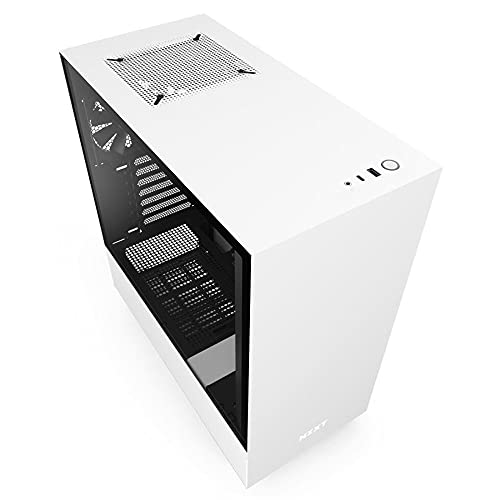
 NZXT H5 Flow RGB Compact ATX Mid-Tower PCH5 Flow RGB (Mid-Tower)20.94 x 20 x 11.46 inches2.2 PoundsCheck on Amazon

Top 3 picks at a glance
The core differences
Acrylic is a clear plastic, light and shatter-resistant but soft, so it scratches easily and can yellow or cloud over years of exposure and cleaning. Tempered glass is real toughened glass, giving a heavier, more premium look and feel with excellent clarity and scratch resistance, but it is heavier and, though strong in normal use, can shatter dramatically if it takes a sharp edge impact. Neither affects cooling; the choice is about aesthetics, durability, and cost.
| Property | Acrylic | Tempered glass |
|---|---|---|
| Cost | Lower | Higher |
| Weight | Light | Heavy |
| Scratch resistance | Poor — scratches easily | Excellent |
| Clarity over time | Can yellow/cloud | Stays clear |
| Breakage | Cracks, resists shatter | Can shatter on edge impact |
| Premium feel | Plasticky | High-end |
Where acrylic wins
Acrylic is the budget-friendly, lightweight option. It is cheaper to produce, so it shows up on value cases and is popular for custom-cut panels since you can drill and shape it easily. Because it flexes rather than shatters, it is more forgiving of a hard knock, which suits movers, LAN carriers, and anyone worried about dropping a heavy pane. The downside is that it marks up fast, so every careless wipe risks fine scratches, and cheaper acrylic can haze with age.
Cleaning acrylic without wrecking it
Acrylic demands a soft microfiber cloth and a plastic-safe cleaner. Paper towels and household glass cleaners with ammonia can scratch or fog it. Because it attracts dust through static, gentle regular cleaning is part of living with acrylic.
Where tempered glass wins
Tempered glass delivers the premium, distortion-free clarity most enthusiasts want, and it stays that way. It resists scratches from normal cleaning, does not yellow, and gives a build a serious, high-end appearance. The trade-offs are weight, which adds heft to the case and stresses hinges and mounts, and the small but real risk of shattering if a corner takes a sharp blow, since tempered glass fails all at once into small pieces rather than cracking gently.
| Choose acrylic if | Choose tempered glass if |
|---|---|
| Budget is tight | You want a premium look |
| You move the PC often | The PC stays put |
| You want custom-cut shapes | You value scratch resistance |
| Weight matters (portability) | Long-term clarity matters |
FAQ
Does the panel material affect cooling or performance?
No. Both are solid, non-vented panels, so airflow and temperatures are identical regardless of material. A solid panel of either type restricts airflow compared to mesh, but acrylic versus glass makes no cooling difference. The decision is purely aesthetic and practical.
Is tempered glass dangerous if it breaks?
Tempered glass is designed to shatter into small, relatively blunt pieces rather than large shards, which is safer than ordinary glass. It rarely breaks in normal use, but handle it carefully during installation and avoid sharp impacts on the corners, which are its weak point.
Long-term ownership and replacement
Think about how each panel ages over the years you will own the case. Acrylic is the material most likely to look tired first, collecting fine swirl scratches and sometimes a faint haze, though replacement panels are cheap and easy to cut if you want a fresh one. Tempered glass keeps its clarity almost indefinitely with basic care, and the main long-term risk is an accidental corner impact during cleaning or a move. If you rarely open your case and want it to look new in five years, glass is the safer bet; if you tinker often or move a lot, acrylic’s resilience and low replacement cost can win.
Bottom line
Acrylic is the light, cheap, shatter-resistant choice that scratches easily and can haze with age, ideal for budget or portable builds. Tempered glass is the heavier, pricier option with premium clarity that stays scratch-free but can shatter on a corner hit. Neither changes cooling, so pick based on budget, how much you move the machine, and whether you want a plasticky value panel or a lasting high-end showcase.