Our Top Picks
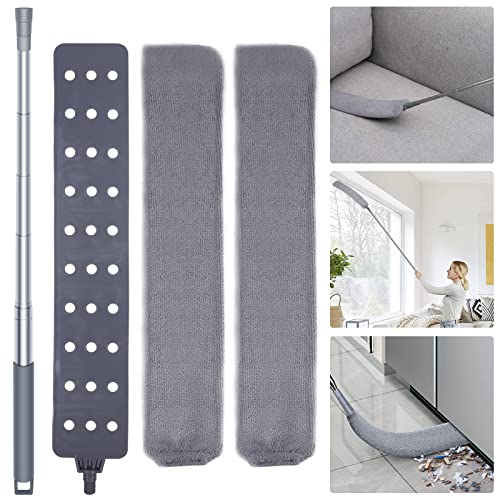 Retractable Gap Dust Cleaner Cleaning Tools with 24 PCS Gap Duster56.72 x 3.15 x 0.1 inches0.4 PoundsCheck on Amazon
 Retractable Gap Dust Cleaner Under Appliance Cleaning ToolGap Duster Green 2PCs61 x 3.15 x 0.1 Inches0.4 PoundsCheck on Amazon


Top 3 picks at a glance
Best Refrigerators Under $1,000 in 2026
The best refrigerator for under $1,000 for most households is a 20–21 cu. ft. top-freezer model: it offers more usable fresh-food space per dollar than most budget French-door or side-by-side designs, while keeping repair complexity and energy use relatively modest. If you need easier access to frozen food, look for a bottom-freezer model; if your kitchen is narrow, measure first and consider a counter-depth or narrower design, accepting less capacity.
Best choices by household and kitchen
| Household or constraint | Best fit under $1,000 | Typical capacity class | What to check before buying |
|---|---|---|---|
| One or two people, limited floor space | Compact top-freezer | 10–14 cu. ft. | Interior shelf layout and whether the door clears nearby cabinets |
| Two to four people, standard kitchen | Full-size top-freezer | 18–21 cu. ft. | Width, depth with handles, and actual freezer shelf arrangement |
| Frequent frozen-food use | Bottom-freezer, if available at the sale price | 18–20 cu. ft. | Drawer access, basket division, and whether the freezer is manual or frost-free |
| Narrow opening or tight walkway | Narrow-width top-freezer | 14–18 cu. ft. | Door swing, hinge clearance, and delivery-path measurements |
| Need water or ice dispensing | Choose only if the feature is essential | Varies | Added cost, plumbing, lost shelf space, and more components that may need service |
Exact models and prices change frequently, and a feature-rich refrigerator may fall below $1,000 only during a promotion. Treat the budget as a ceiling for the appliance itself, then check delivery, installation, haul-away, and required water-line costs separately. In this price range, prioritize fit, capacity, and a strong warranty over a touchscreen or built-in dispenser.
As an Amazon Associate we earn from qualifying purchases at no extra cost to you.


How to compare the useful specs
Capacity: look beyond the headline number
Manufacturers report total capacity in cubic feet, but that number does not tell you how much room is easy to use. Ice makers, bulky light housings, narrow door bins, and fixed shelves can reduce practical storage. A 20 cu. ft. top-freezer is a useful starting point for a household of two to four, but the right size depends on shopping habits and kitchen space. Frozen-food-heavy households may want a larger freezer share; fresh-food-focused households generally benefit from more refrigerator space.
Before choosing, compare the layout: Can a gallon container fit in the door or on a shelf? Is there room for a wide baking tray? Do crispers extend fully when the door is open? A simple layout that fits your regular groceries is more useful than an extra cubic foot that is awkwardly divided.
Dimensions and delivery fit
Measure the opening’s width, height, and depth, including trim and any cabinets that project forward. Then check the manufacturer’s installation drawing for required side, top, and rear clearances. Measure the path from the entrance to the kitchen as well: doorways, turns, stairs, and a tight hallway can stop delivery even when the refrigerator fits its final opening.
Depth deserves special attention. A standard-depth refrigerator may project beyond counters, and the stated depth may exclude handles. A counter-depth unit can look neater but usually gives up storage and may cost more per cubic foot. Confirm the measurement with doors and handles included, and allow enough room for the doors to open wide enough to remove drawers.
Energy consumption: estimate the yearly cost
Use the yellow EnergyGuide label’s estimated annual electricity use, measured in kilowatt-hours (kWh), rather than relying only on an Energy Star logo or a general claim of efficiency. To estimate operating cost, multiply annual kWh by your electricity rate.
Freezer layout and temperature control
A top-freezer keeps frozen items above the fresh-food compartment and is usually the value pick. It can be inconvenient if you reach into the freezer often. A bottom-freezer puts everyday refrigerated food higher up; its pull-out baskets make organization easier, though packages can be harder to see and retrieve at the back. Side-by-side models offer narrow doors that may suit tight kitchens, but their compartments can be too narrow for wide platters.
Look for independently adjustable refrigerator and freezer controls, or clear settings that let you change one compartment without creating problems in the other. A digital display is convenient but not essential. Regardless of the control style, use a refrigerator thermometer to verify performance: aim for 37°F (3°C) in the refrigerator and 0°F (-18°C) in the freezer. After changing a setting, allow roughly 24 hours for temperatures to stabilize before adjusting again.
Noise and reliability: what to investigate
Budget refrigerators often omit a published decibel rating, so there may not be a reliable way to compare noise numbers across models. Compressors and fans naturally cycle on and off. If the refrigerator will sit beside a bedroom or in an open-plan living area, check the manual for operating-noise information and look for reports that describe specific recurring sounds, such as persistent rattling or unusually frequent clicking. Make sure the unit is level and not touching a wall or cabinet, since vibration against nearby surfaces can amplify sound.
No brand or design guarantees years without a repair. Before buying, check the written warranty for compressor coverage, labor coverage, and exclusions; longer coverage on a sealed-system part does not necessarily mean labor is included for the same period. Also check whether service is available in your area. Simpler models without door dispensers and elaborate electronics may have fewer components to fail, but maintenance, installation, and individual model quality still matter.
A practical buying sequence
- Measure first: Record the opening, door swing, clearance, and full delivery route.
- Set a capacity range: Start around 18–21 cu. ft. for a typical household of two to four, then adjust for kitchen limits and shopping habits.
- Choose the layout: Pick a top-freezer for value, a bottom-freezer for easier fresh-food access, or a side-by-side only if narrow doors solve a real space problem.
- Compare EnergyGuide figures: Convert annual kWh into local yearly cost using your actual electricity rate.
- Inspect usable storage: Check shelf positions, crisper access, door-bin capacity, and freezer organization against the food you buy.
- Price the whole purchase: Include delivery, installation, haul-away, and optional water-line work in the under-$1,000 budget.
- Verify support: Read the warranty and confirm local service before choosing between similarly priced models.
For the strongest all-around value, begin with a full-size top-freezer that fits the opening, has the shelf arrangement you need, and uses a reasonable amount of electricity. Spend more on a different layout only when it solves a daily problem—such as bending to reach fresh food or fitting a refrigerator into a narrow space—rather than for features that do not improve storage or convenience.
Frequently asked questions
Should I choose a top-freezer or bottom-freezer refrigerator?
Choose a top-freezer for the strongest overall value, or choose a bottom-freezer if easier access to refrigerated food matters more. Top-freezer models generally offer more usable fresh-food space per dollar and modest repair complexity and energy use. Bottom-freezer models place everyday refrigerated food higher, but their pull-out baskets can make packages harder to see and retrieve at the back.
What should I include in my refrigerator measurements?
Include the opening’s width, height, and depth, along with trim, projecting cabinets, handles, required clearances, and door-swing space. Also measure the complete delivery route, including doorways, turns, stairs, and tight hallways. A refrigerator can fit the final opening but still fail to reach the kitchen. Confirm measurements with the manufacturer’s installation drawing.
Is a refrigerator with a water or ice dispenser worth choosing?
Choose a water or ice dispenser only if the feature is essential. It can add components that may need service, reduce shelf space, and require plumbing or water-line work. In this budget range, the article recommends prioritizing fit, capacity, and a strong warranty over a built-in dispenser or other feature-rich design.
How can I tell whether a refrigerator’s storage will work for my groceries?
Compare the interior layout rather than relying only on total cubic feet. Check whether gallon containers fit in the door or on a shelf, whether a wide baking tray fits, whether crispers extend fully with the door open, and whether shelf positions and freezer organization suit your regular groceries. Simple storage that fits your habits can be more useful than extra capacity.
What temperature should I set my refrigerator and freezer to?
Aim for 37°F (3°C) in the refrigerator and 0°F (-18°C) in the freezer. Use a refrigerator thermometer to verify the actual temperatures instead of relying only on the control display. After changing a setting, allow roughly 24 hours for temperatures to stabilize before adjusting it again, because performance can vary with loading and other conditions.