Our Top Picks
 Donner Acoustic Guitar for Beginner Adult Full Size41 inch dreadnought43.7 x 21 x 8 Inches9 poundsCheck on Amazon

Top 3 picks at a glance

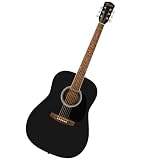
Best Dreadnought Guitars for Beginners: Quick Picks
The best dreadnought guitars for beginners are the Yamaha FG800 for a dependable all-round acoustic, the Yamaha FG800J for a smaller-bodied option, and the Fender CD-60S for players who value a comfortable neck and easy-to-find setup support. Before choosing, check one thing: a dreadnought’s large body may be tiring if you’re petite, mostly play seated, or have shoulder discomfort.
Dreadnoughts are known for a strong, full sound that works well for strumming and singing. But a guitar’s comfort depends on more than its model name. Neck shape, string height (action), body depth, and the quality of the initial setup can make a bigger difference to a beginner than a small variation in tonewood.
As an Amazon Associate we earn from qualifying purchases at no extra cost to you.


Beginner dreadnoughts compared
| Model | Body and top | What to consider | Best fit |
|---|---|---|---|
| Yamaha FG800 | Full-size dreadnought; solid spruce top | Traditional size and a straightforward design; budget for a setup if the action feels high. | Players who want a durable, versatile first acoustic. |
| Yamaha FG800J | Jumbo Junior body; solid spruce top | Smaller body is easier to hold, though it won’t feel or project like a full dreadnought. | Players drawn to dreadnought-style sound who find standard bodies unwieldy. |
| Fender CD-60S | Full-size dreadnought; solid spruce top | Comfortable neck profile is a useful starting point, but individual setup still matters. | New players who want a familiar, accessible full-size option. |
| Guild D-240E | Dreadnought; solid spruce top | Typically costs more than entry-level picks; compare the included electronics and setup support. | Players who want a step-up instrument or expect to plug into an amp. |
Specifications and package contents can vary by year and region, so confirm the exact version before buying. A gig bag, tuner, or strap may be sold separately.
How to choose: comfort before tonewood
1. Check whether a full dreadnought fits your body
A standard dreadnought has a broad lower bout and a relatively deep body. That size helps create a strong, bass-rich sound, but it can push the picking arm up and make the guitar feel bulky. Try sitting with the instrument for several minutes: can your strumming shoulder stay relaxed, and can you reach the first few frets without twisting your wrist?
If the body feels like a stretch, consider the FG800J or another smaller-bodied guitar rather than forcing yourself to adapt. A smaller instrument may sound less powerful acoustically, but it’s often easier to practice on consistently. Comfort is not a minor feature when you’re building a routine.
2. Look for a neck that lets your fretting hand relax
Neck width and shape affect how easily you can form chords, especially if your hands are small or you’re still learning to place your fingers cleanly. There is no universally best neck profile: a slimmer feel may help some beginners, while others prefer a fuller grip.
When possible, try an open G or C chord and switch between them slowly. If your thumb or wrist feels strained, adjust your hand position before rejecting the guitar—but don’t dismiss persistent discomfort. A guitar shop can help compare necks and check whether the setup is making chords harder than they need to be.
3. Treat action as a setup question, not just a model specification
Action is the distance between the strings and frets. High action can make notes and chords require more pressure; action that’s too low can cause buzzing. Two guitars of the same model can feel different because of setup, humidity, or changes during shipping.
For a rough reference, many players start with action near 2.0 mm on the high-E string and 2.5 mm on the low-E string at the 12th fret. These are approximate acoustic-guitar targets, not universal rules: playing style, fret condition, and neck relief all affect the right result. Don’t lower the saddle blindly to hit a number; a technician should check neck relief, nut slots, and saddle height together.
What an initial setup is worth
When comparing offers, separate the guitar’s price from the value of any setup included. “Setup included” is most useful when it means the shop checks neck relief, string height, tuning stability, and fret buzz—and adjusts what it can within the instrument’s design. A low price with no adjustment may be a worse beginner purchase if the action makes the guitar difficult to play.
Here’s a simple way to compare the extra value. That calculation does not mean every setup is worth the same amount: ask what is included, and whether strings are part of the service.
Prices vary with region, finish, electronics, and availability. Keep a small amount aside for a tuner, picks, and a setup if they aren’t included.
Does tonewood matter for a first guitar?
It matters, but not as much as comfortable playability. The FG800, FG800J, Fender CD-60S, and Guild D-240E use solid spruce tops in their listed versions. A solid top can develop a more responsive sound over time, while laminate back and sides are common on affordable acoustics and can be practical for everyday use.
Wood names alone don’t guarantee a particular sound. A guitar’s body dimensions, bracing, strings, setup, and the player’s touch all contribute. If you mostly strum pop or folk chords, prioritize a balanced sound and a body you can hold comfortably. If you fingerpick softly, pay attention to whether individual notes remain clear at low volume. Try the instrument with the playing style you expect to use rather than choosing based on a wood description alone.
Match the guitar to your situation
| Your situation | A sensible starting point | Why |
|---|---|---|
| You want one versatile acoustic for strumming and singing. | Yamaha FG800 | Full-size dreadnought body and solid spruce top suit a broad range of beginner styles. |
| Full-size bodies feel awkward against your arm or torso. | Yamaha FG800J | Its smaller body preserves a familiar steel-string feel with less bulk. |
| You want a full-size option and can compare neck feel in person. | Fender CD-60S | Consider it alongside the FG800, then choose by comfort and the actual setup. |
| You expect to perform through an amplifier. | Guild D-240E | Its electronics can be useful for amplification; compare total cost and included accessories. |
Before you buy: a short comfort and setup check
- Sit with it: check whether the body stays stable without lifting your shoulder or gripping the neck tightly.
- Try basic chords: play E minor, G, C, and D. The strings should not feel unusually hard to press.
- Listen for buzzing: test notes across the fretboard, not just open strings. A little buzz can come from technique, but persistent rattling deserves inspection.
- Ask what “setup” covers: confirm whether action, neck relief, and fret buzz are checked, and whether adjustments are included in the quoted price.
- Count the real cost: add any needed setup, tuner, and case before comparing deals.
For most first-time players who are comfortable with a full-size instrument, the Yamaha FG800 is a strong starting choice. If the body feels too large, don’t treat that as something you need to overcome: a smaller-bodied guitar you enjoy picking up is likely to serve you better than a theoretically ideal dreadnought that stays in its case.
Frequently asked questions
Is the Yamaha FG800J a full-size dreadnought?
No, the Yamaha FG800J has a smaller Jumbo Junior body rather than a full-size dreadnought body. It is intended for players who like a dreadnought-style sound but find standard bodies unwieldy. It may be easier to hold, although it will not feel or project like a full dreadnought.
Can two guitars of the same model feel different?
Yes, two guitars of the same model can feel different because of setup, humidity, or changes during shipping. Their action may not be identical, and neck relief, nut slots, saddle height, and fret condition can affect playability. A technician can check these factors together rather than judging the model by specifications alone.
What accessories might I need with a beginner acoustic guitar?
You may need a tuner, picks, strap, or case, depending on what the offer includes. A gig bag, tuner, or strap may be sold separately, and package contents can vary by year and region. Count these items before comparing deals, and also check whether strings are included with any setup service.
Which chords should I try before buying?
Try E minor, G, C, and D, then switch slowly between basic chords such as open G and C. The strings should not feel unusually hard to press, and your thumb or wrist should not feel strained. Also test notes across the fretboard, because persistent rattling may deserve inspection.
Does a solid spruce top mean the guitar will sound best?
No, a solid spruce top does not guarantee a particular sound. The listed versions of the Yamaha FG800, Yamaha FG800J, Fender CD-60S, and Guild D-240E use solid spruce tops, but body dimensions, bracing, strings, setup, and playing touch also contribute. Choose by the sound and playing style you expect to use.