A custom water loop is not fit-and-forget. The coolant carries corrosion inhibitors and biocides that wear out, and over months debris and biological growth accumulate. Knowing how often to change the fluid, and how to flush the loop properly, keeps performance steady and prevents the gunk that clogs radiators and stalls pumps.
As an Amazon Associate we earn from qualifying purchases at no extra cost to you.
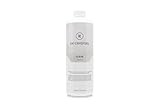

How often to change coolant
For most inhibited coolants and premixes, plan a full change every 6 to 12 months. Clear coolants and dyed fluids sit at the shorter end because dyes can drop out and stain, while plain inhibited fluid in a well-built copper loop can stretch toward a year. The additives that fight corrosion and microbes deplete gradually, so a change is really about refreshing chemistry, not just clarity.
Signs you should change early
Do not wait for the calendar if you see warning signs. Cloudiness, a colored haze, flakes in the reservoir, or a gradual rise in coolant temperature all mean the fluid is degrading or the loop is fouling. A pump that grows louder or a block whose fine fins look coated are also cues to drain and flush now.
| Coolant type | Typical interval | Main reason to change |
|---|---|---|
| Clear inhibited premix | up to 12 months | Additive depletion |
| Dyed / colored coolant | 6-9 months | Dye fallout, staining |
| Opaque / pastel coolant | 3-6 months | Pigment settling, clogging |
| Distilled + additive | 6-12 months | Inhibitor and biocide wear |
How to flush a loop
Drain the old coolant fully through the loop’s lowest drain port, tilting the case to empty radiators, which trap fluid in their channels. Refill with plain distilled water, run the pump for 10 to 20 minutes with the system otherwise off, then drain again. Repeat once or twice until the water runs clear. For a fouled loop, a dedicated flushing fluid followed by two distilled rinses clears residue that plain water leaves behind.
Refilling cleanly
Fill slowly into the reservoir, jog the pump in short bursts to move fluid without running it dry, and tilt the case gently to chase trapped air out of the radiators. Let it cycle for an hour, top up as bubbles escape, and check every fitting for weeping before you put the panels back on. Fresh coolant plus a clean loop restores the low temperatures the build had when new.
FAQ
Can I just top up instead of doing a full change?
Topping up replaces lost volume but not depleted additives or accumulated debris. It is fine between changes to cover minor evaporation, but it is not a substitute for a proper drain, flush, and refill on schedule.
Do opaque pastel coolants really need changing more often?
Yes. The pigments that make pastel coolants opaque can settle and cake in fine radiator and block channels, so they demand shorter intervals and more attentive flushing than clear fluids. Many loop builders avoid them for exactly this reason.
Preventing biological growth
Beyond corrosion, custom loops can grow biological gunk, a slimy film sometimes called loop plague, when the coolant lacks a biocide or the loop was assembled with contaminants. It looks like cloudy strands or a filmy haze and it clogs channels just as corrosion residue does. Proper inhibited coolants include an anti-microbial agent, and a silver kill coil in the reservoir adds a passive layer of protection that suppresses growth between changes.
Cleanliness during assembly matters as much as the coolant. Flush new radiators before installing them, because they often ship with manufacturing residue and flux inside, and avoid touching internal surfaces with bare oily hands. Starting clean, using an inhibited biocide coolant, and sticking to your change interval together keep a loop clear for years rather than months.
Should I run the loop for a while before the first coolant change?
A short leak test and initial run is wise, and some builders do an early flush a week or two after the first fill to clear any residual manufacturing debris the new parts shed. After that, settle into the normal 6 to 12 month interval based on your coolant type.
Bottom line: change custom loop coolant every 6 to 12 months, sooner for dyed or opaque fluids, and flush with distilled water until it runs clear. Fresh chemistry and a clean loop are what keep a custom build cooler than an AIO year after year.