Cooler shopping gets a lot simpler once you anchor it to one number: your CPU’s TDP, or thermal design power. It is a rough measure of how much heat the cooler must move, and matching cooler capacity to that heat load keeps your chip fast and quiet. Here is how to pair the two without overspending or underbuilding.
What TDP tells you
TDP is expressed in watts and approximates sustained heat output at stock settings. It is not exact, since modern chips can briefly exceed it during boost, but it is a reliable guide for cooler selection. A higher TDP demands a cooler with more heat pipes, more surface area, or liquid cooling to keep temperatures in check.
| CPU TDP | Recommended cooler class | Example capacity |
|---|---|---|
| Up to 65 W | Stock or basic tower | Single tower, 2-4 heat pipes |
| 65-105 W | Good single or dual tower air | 5-6 heat pipes or 240mm AIO |
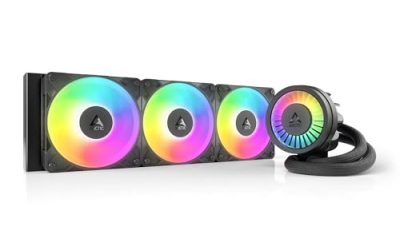
| 105-150 W | Premium air or 240-280mm AIO | Dual tower or 280mm liquid |
| 150 W and up | High-end air or 360mm AIO | 360mm liquid recommended |
Air versus liquid at each tier
A quality dual-tower air cooler can handle chips up to around 150W and rival a 240mm to 280mm AIO in raw performance, often with less noise and no pump to fail. Liquid cooling pulls ahead at the top, where a 360mm radiator sheds heat from the hottest enthusiast chips and keeps a compact case tidier around the socket. For most gamers, a strong air cooler is plenty.
Do not forget clearance
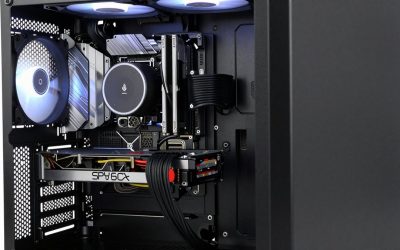
Match capacity to your case as well as your chip. Tall tower coolers can exceed 160mm and hit the side panel of compact cases, and radiators need matching mount points. Always check the cooler height limit and radiator support before buying.
Headroom for boost and overclocking
If you plan to raise power limits or overclock, size up one tier. Modern chips reward extra cooling capacity with higher sustained boost clocks, so a cooler with headroom pays off in both performance and lower noise, since it does not have to run its fans flat out.
Reading cooler specs beyond the marketing
Cooler makers rarely print a simple TDP rating, so you have to read the physical specs that predict capacity. For air coolers, the number of heat pipes, the size of the fin stack, and the fan’s airflow all matter. A tall single tower with six heat pipes moves far more heat than a squat two-pipe unit, and a dual tower adds even more surface area for the hottest chips.
| Cooler trait | What it indicates |
|---|---|
| Heat pipe count | Heat transport capacity |
| Fin stack size | Surface area for dissipation |
| Fan airflow (CFM) | How fast heat is carried away |
| Radiator size (AIO) | Total liquid cooling capacity |
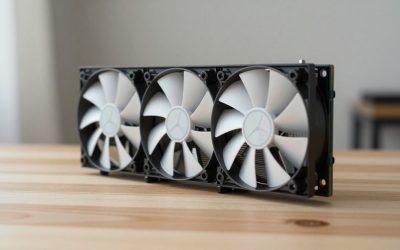
For liquid coolers the headline spec is radiator size, since a 360mm radiator simply has more surface area than a 240mm one and handles hotter chips with quieter fans. Do not ignore the fans themselves, though: a great radiator paired with weak fans underperforms. When comparing coolers, look for independent temperature results on a chip similar to yours rather than trusting a vague marketing claim. Real test data on a comparable CPU tells you far more than any printed rating about whether a cooler will keep your specific chip in its comfort zone.
FAQ
Can I use a cooler rated below my CPU TDP?
You can, but the chip will run hotter and may throttle its boost clocks under sustained load. Matching or exceeding the TDP capacity keeps performance and noise where you want them.
Is a 360mm AIO overkill for a 65W chip?
For cooling, yes, but some builders choose it for quiet operation and aesthetics. It will keep a modest chip very cool and near-silent, though a good air cooler achieves similar results for far less money.
Bottom line
Match cooler capacity to your CPU’s TDP, then confirm it fits your case. Up to 65W a basic cooler suffices; mid-range chips want a solid air cooler or 240mm AIO; enthusiast chips call for premium air or a 360mm radiator. Size up a tier if you plan to overclock, and your chip will hold its clocks quietly.